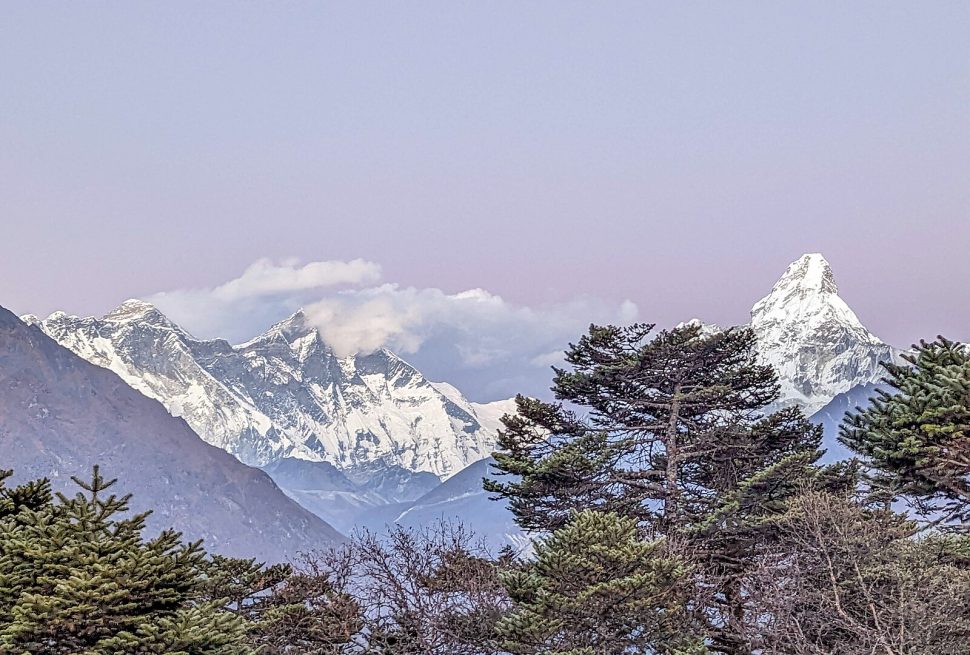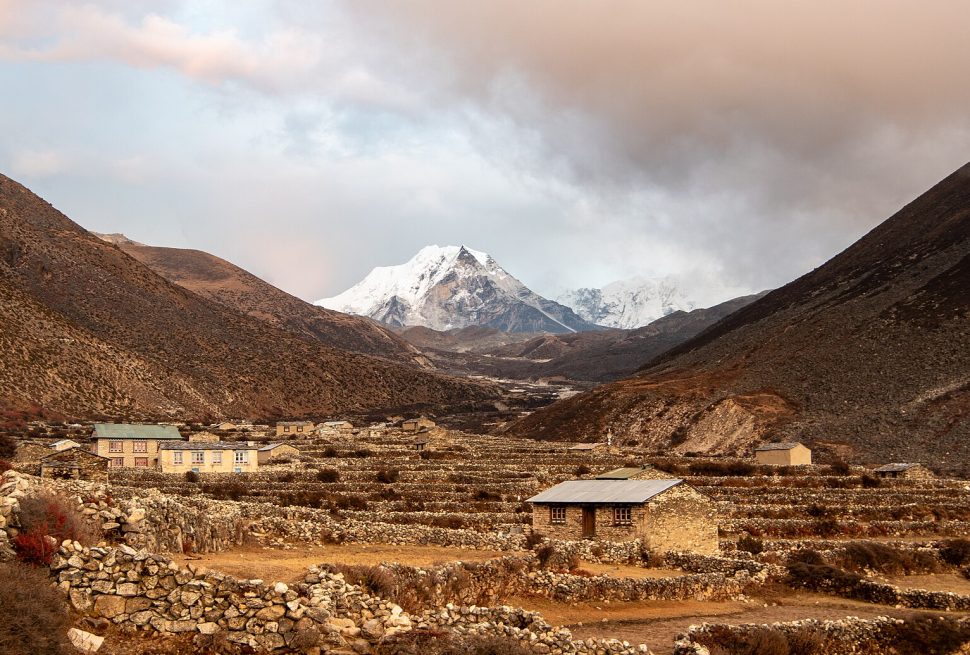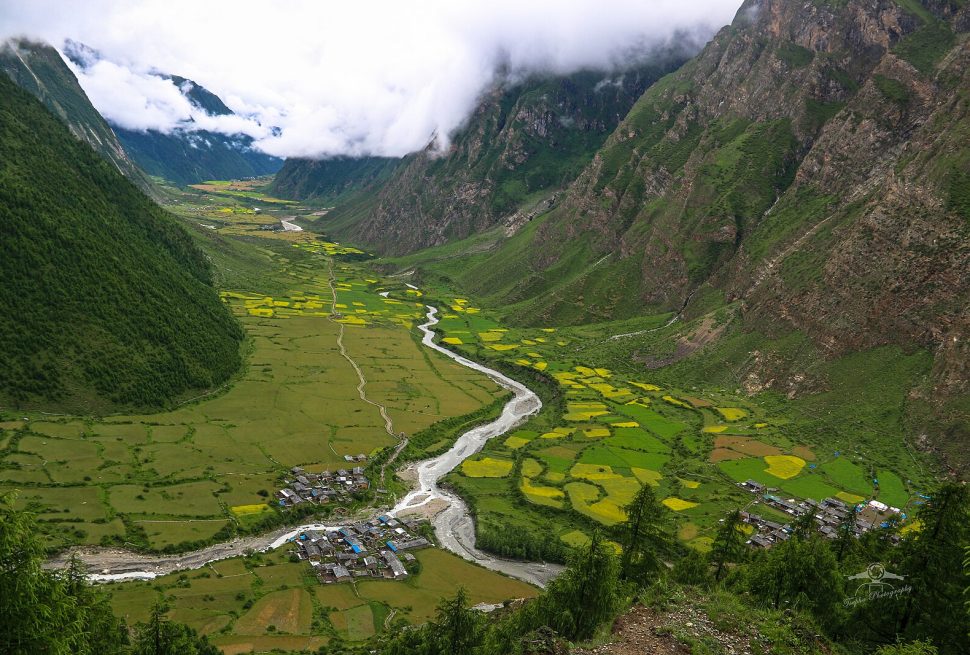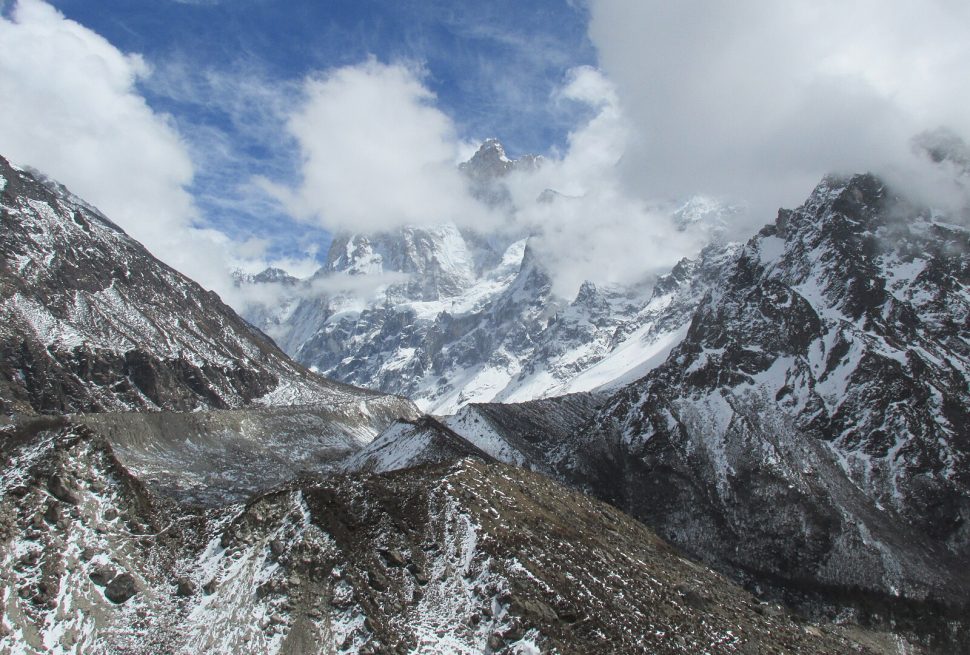
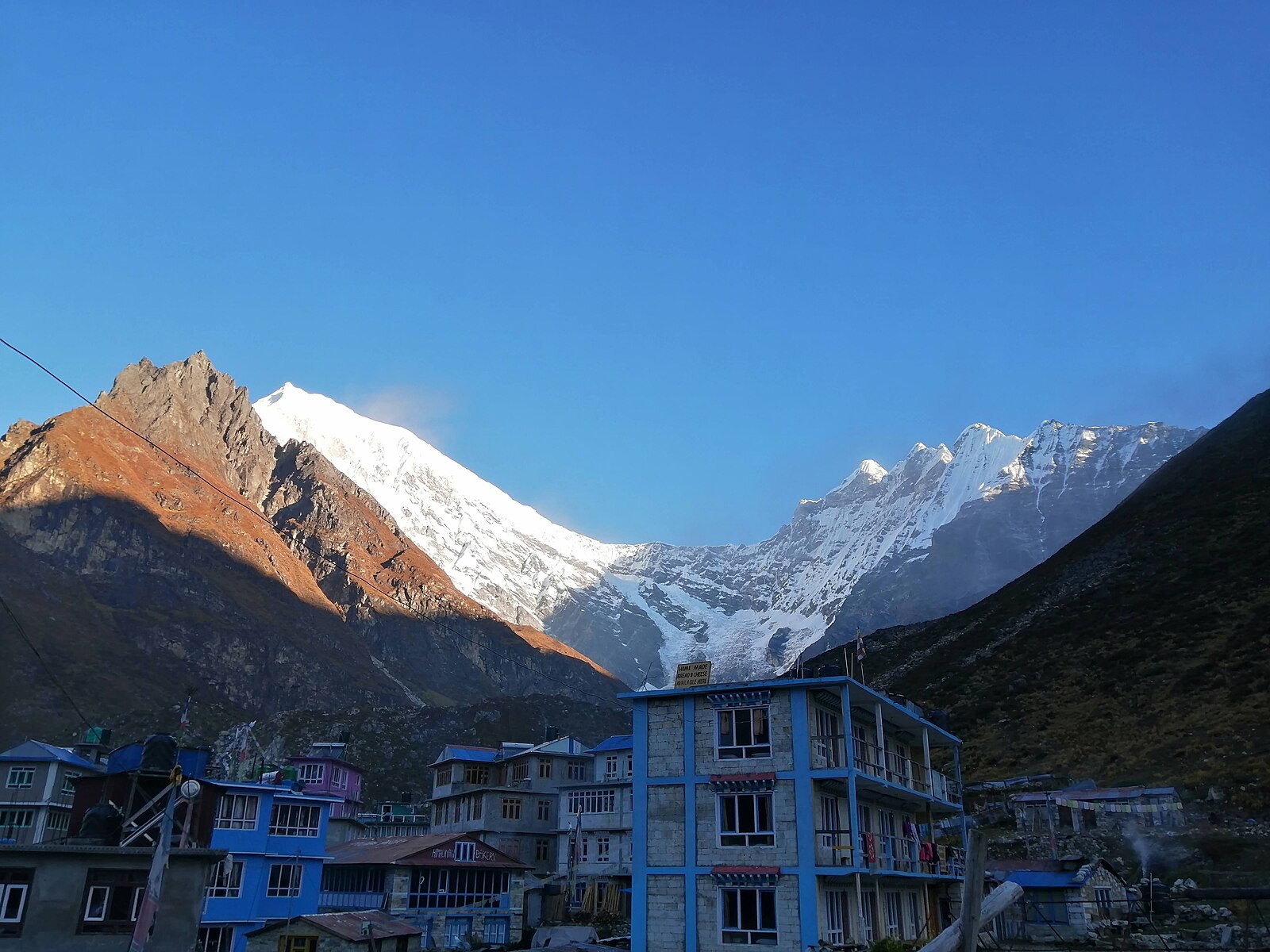
Langtang is the Himalayan valley that Kathmandu forgets it has. There is no mountain flight, no week-long approach and no crowds worth mentioning — just a drive north and a trail that climbs straight into glacier country.
For trekkers short on time but unwilling to compromise on scenery, Langtang is the most efficient big-mountain experience in Nepal.
Why Langtang Deserves Your Attention
The valley sits directly north of Kathmandu against the Tibetan border, and it delivers a remarkable amount within a compact route.
- Reachable entirely by road — no domestic flight to be delayed
- Glaciers, moraine and 7,000m peaks within four days of walking
- Tamang and Tibetan-influenced villages with a distinct culture
- Far fewer trekkers than Everest or Annapurna
- Your spending directly supports communities rebuilding after the 2015 earthquake
That last point matters. Langtang was devastated in 2015, and the valley has been carefully rebuilt by the people who live there. Trekking here is a meaningful form of support.
The Route in Brief
Most itineraries run seven to ten days door to door from Kathmandu.
- Syabrubesi (1,460m) — trailhead, six to seven hours by road
- Lama Hotel (2,470m) — a forested climb alongside the Langtang Khola
- Langtang Village (3,430m) — rebuilt after the earthquake
- Kyanjin Gompa (3,870m) — the valley’s end and your base for day hikes
- Kyanjin Ri (4,600m) or Tserko Ri (4,984m) — the big viewpoint days
Kyanjin Gompa is where the valley opens out completely. Most people build in an extra night here, and almost nobody regrets it.
Permits You Will Need
Langtang requires two documents, both arranged easily in Kathmandu.
- Langtang National Park entry permit
- TIMS card for independent trekkers
- Expect roughly NPR 3,000 for the park permit plus the TIMS fee
What It Costs
Langtang is one of Nepal’s better-value treks, largely because there is no domestic flight involved.
- Guided packages typically run USD 500 to USD 900 per person
- Teahouse meals and lodging run USD 25 to 35 per day independently
- Jeep or bus transfers to Syabrubesi are inexpensive
When to Go
- October to November — crystal-clear mountain views and stable weather
- March to May — rhododendron forest in full bloom on the lower trail
- December to February — cold at Kyanjin but often beautifully clear
- June to September — leeches, cloud and landslide risk on the road
Who the Trek Suits
Langtang is a genuine mid-difficulty trek rather than a gentle stroll, but it stays well within reach of a reasonably active walker.
- Four to six hours of walking on most days
- A maximum sleeping altitude of 3,870m, which is comparatively forgiving
- Steady forest climbs rather than sustained high-altitude slogs
- A workable choice for a first Himalayan trek
Ready to Discover Langtang?
If your schedule cannot absorb a two-week Everest itinerary but you still want glaciers and 7,000m peaks, Langtang is the answer — and it remains one of Nepal’s most rewarding trails.
At Global Rising Tours & Travel, we run Langtang departures year-round with local guides who know these villages personally. Browse our trekking packages and let us build an itinerary around the time you have.