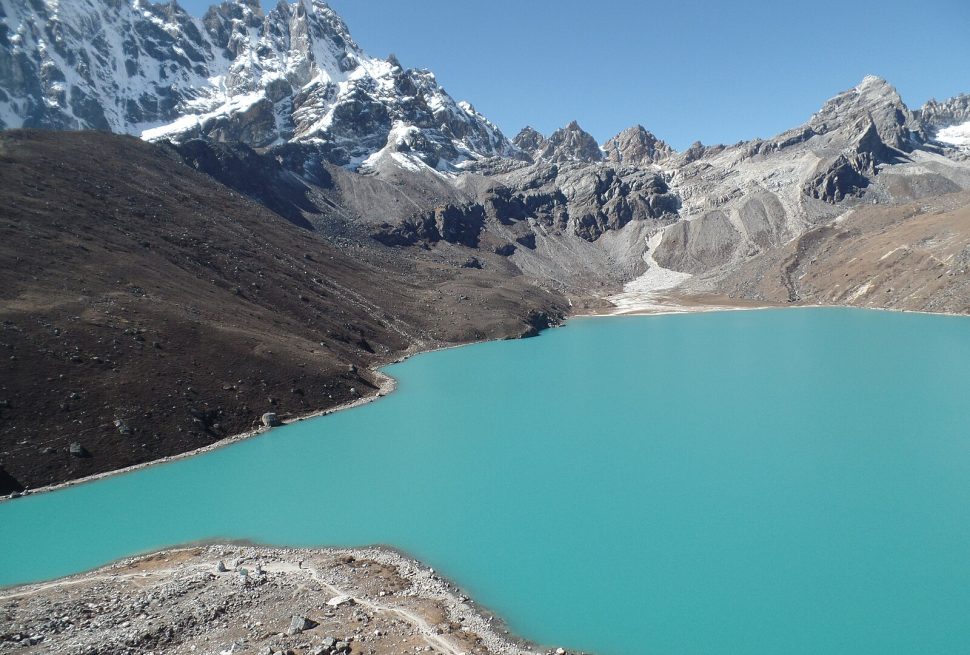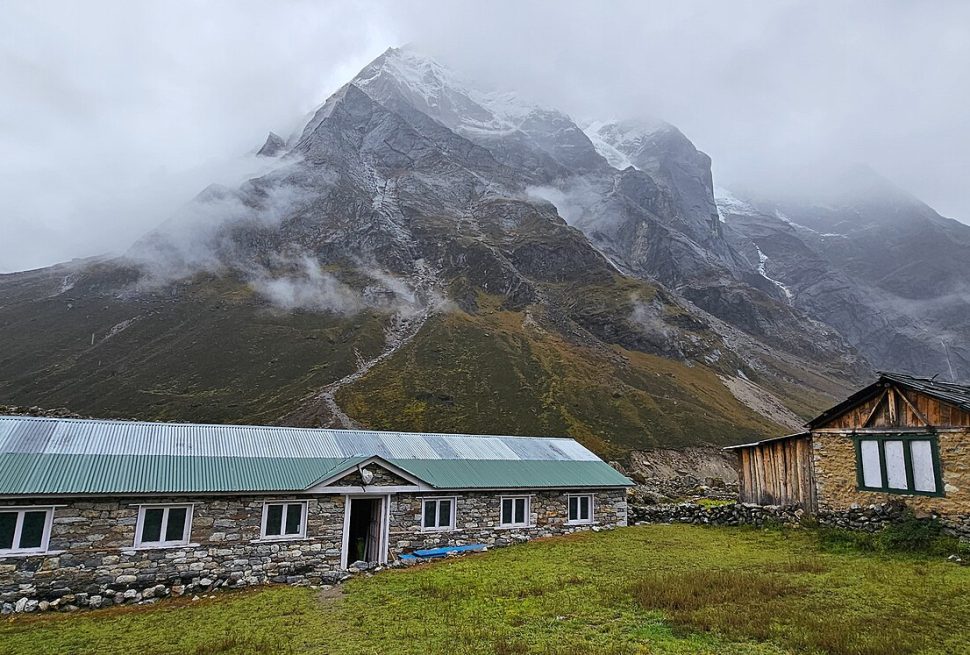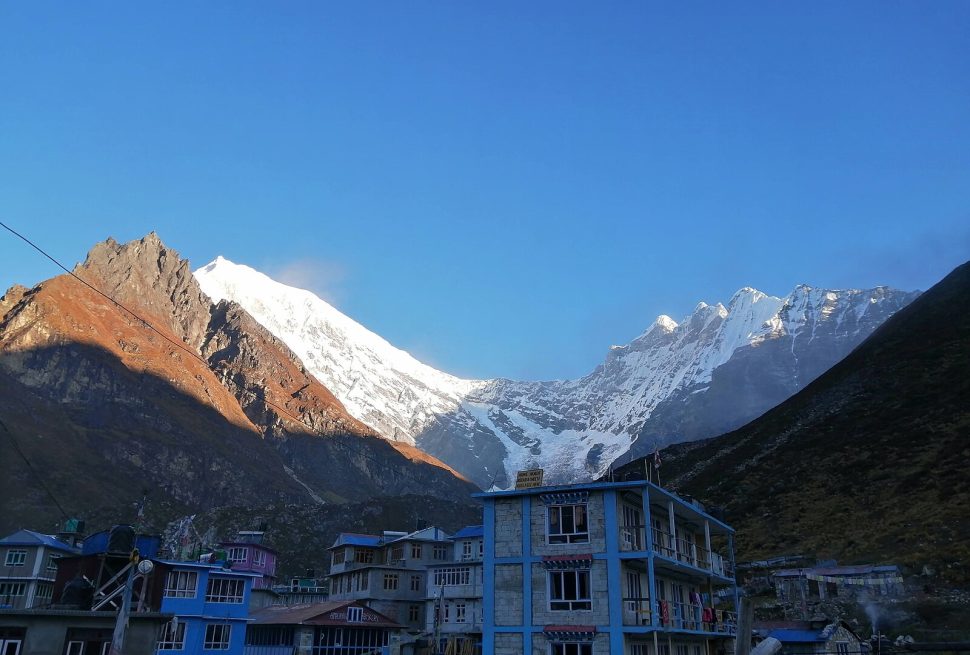
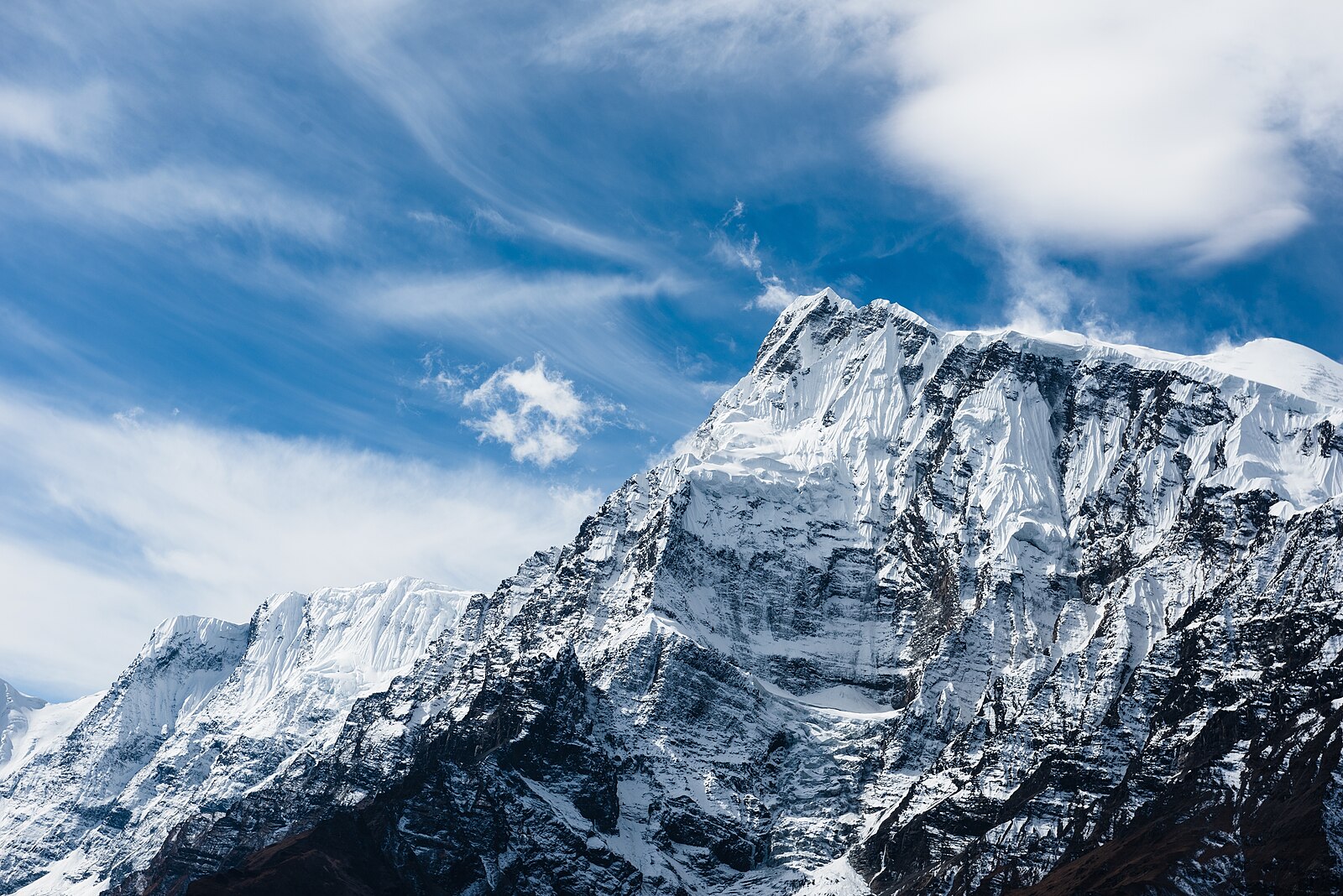
The Annapurna Circuit has been called the best long-distance trek in the world, and despite road construction reshaping parts of the route, it still earns that reputation. No other trek passes through so many climate zones — from subtropical river valleys to arid Tibetan-style plateau, all in a single continuous walk.
The high point is Thorong La at 5,416m, one of the highest trekking passes anywhere.
What Makes the Circuit Special
- A genuine circuit that never repeats itself
- Climate zones from banana groves to high desert
- Hindu villages in the south, Tibetan Buddhist culture in the north
- Thorong La (5,416m), a serious but non-technical pass
- Muktinath, Kagbeni and the Kali Gandaki gorge on the descent
The transition on the far side of the pass is remarkable. You leave green Manang and drop into the dry, ochre landscape of Mustang within a single day.
The Route
Twelve to eighteen days of walking depending on how much you drive.
- Besisahar (760m) — the traditional trailhead
- Chame (2,670m) and Pisang (3,300m) — the Marsyangdi valley
- Manang (3,540m) — the key acclimatisation stop, worth two nights
- Yak Kharka and Thorong Phedi (4,540m)
- Thorong La (5,416m) — the crossing
- Muktinath (3,800m) — the sacred temple complex
- Jomsom, Marpha and the Kali Gandaki descent
Manang is not optional. Two nights there, with a day hike to Ice Lake or Gangapurna, dramatically improves your chances on the pass.
The Road Question
Roads now reach far up both sides of the circuit, and this is the most common concern trekkers raise.
- Jeeps can reach Manang and Muktinath, shortening the walk
- The NATT trails offer alternative footpaths away from the road
- Many trekkers now start at Chame or Dharapani rather than Besisahar
- Some finish at Jomsom and fly to Pokhara rather than walking down
Ask your operator specifically about NATT routing. It makes a substantial difference to the experience.
Permits
- ACAP (Annapurna Conservation Area) permit, around NPR 3,000
- TIMS card for independent trekkers
No restricted-area permit is needed, which keeps the circuit relatively affordable.
Costs
- Guided packages typically USD 900 to USD 1,600 per person
- Independent teahouse trekking runs USD 30 to 40 per day
- Jeep transfers and the optional Jomsom flight are extra
- Prices rise noticeably with altitude, particularly above Manang
Thorong La: The Big Day
The pass day is long and it starts very early.
- Typically a 3am to 4am departure from Thorong Phedi or High Camp
- Four to six hours of climbing to the pass
- A knee-punishing 1,600m descent to Muktinath afterwards
- Wind is the main hazard, and it strengthens through the morning
- Snow can close the pass entirely, particularly outside peak season
Crossing east to west, as described, is strongly recommended. The ascent is more gradual and acclimatisation is better.
Best Seasons
- October to November — the classic window, reliable pass conditions
- March to May — warm, with rhododendron in the lower valleys
- December to February — Thorong La is frequently snow-closed
- Monsoon — the lower circuit is wet, though Mustang stays dry
Ready for the Classic Circuit?
Even with the roads, the Annapurna Circuit remains one of the world’s great walks — and Thorong La is still a genuine achievement.
At Global Rising Tours & Travel, we run Annapurna Circuit departures using NATT trails wherever possible to keep you off the road. Explore our trekking packages to plan your 2026 crossing.