Most first-time trekkers in Nepal bring too much. Teahouse trekking does not require camping equipment, and anything you forget can almost certainly be bought or hired in Kathmandu for less than you would pay at home.
This list covers a standard teahouse trek up to about 5,500m in autumn or spring.
The Layering System
Himalayan weather swings enormously between sunny midday and clear night. Layers handle this far better than a few heavy garments.
- Base layers — two or three merino or synthetic tops, no cotton
- Mid layer — a fleece or light down jacket
- Insulation — a warm down jacket for evenings and high altitude
- Shell — a waterproof, breathable jacket
- Trekking trousers — two pairs, quick-drying
- Waterproof overtrousers
- Thermal leggings for high-altitude nights
Cotton is the one genuine mistake. It holds moisture, dries slowly and chills you badly.
Footwear
This is where you should spend your money and your preparation time.
- Broken-in trekking boots with ankle support
- Three to four pairs of proper trekking socks
- Camp shoes or sandals for evenings
- Gaiters if trekking in snow conditions
Never arrive with new boots. Blisters end more treks than altitude does, and there is no way to fix them once you are three days from a road.
Sleeping
- A sleeping bag rated to at least minus 10C for high-altitude treks
- A silk or cotton liner, which adds warmth and keeps the bag clean
Teahouses provide blankets, but their warmth varies enormously. A good bag is non-negotiable above 4,000m — and it is easy to hire in Kathmandu.
Backpacks
- A 30 to 40 litre daypack for what you carry yourself
- A duffel bag of 60 to 80 litres if using a porter
- A waterproof rain cover for both
- Dry bags or heavy-duty bin liners to line the inside
Porters typically carry up to about 20kg, often split between two trekkers. Keep your own daypack light — water, layers, camera, documents and snacks.
Accessories That Matter
- Sunglasses with proper UV protection, category 3 or 4
- Sun hat and a warm hat
- Liner gloves and warm outer gloves
- Buff or neck gaiter, which is more useful than expected
- Trekking poles, which spare your knees enormously on descents
- Head torch with spare batteries
Sun protection is not optional. UV intensity at 5,000m is severe, and snow glare can cause genuine damage.
Health and Hygiene
- High-factor sunscreen and SPF lip balm
- Personal first aid kit including blister plasters
- Water purification — tablets, drops or a filter bottle
- Hand sanitiser and quick-dry towel
- Rehydration salts
- Any personal medication in original packaging
- Toilet paper, which is not always provided
Documents and Money
- Passport and several photocopies
- Passport photos for permits
- Travel insurance covering your maximum altitude
- Nepali rupees in cash — there are no ATMs on the trail
- A power bank, since charging costs money and rises with altitude
Bring more cash than you think. Charging, Wi-Fi, hot showers and snacks all cost extra and all get more expensive as you climb.
What to Buy or Hire in Kathmandu
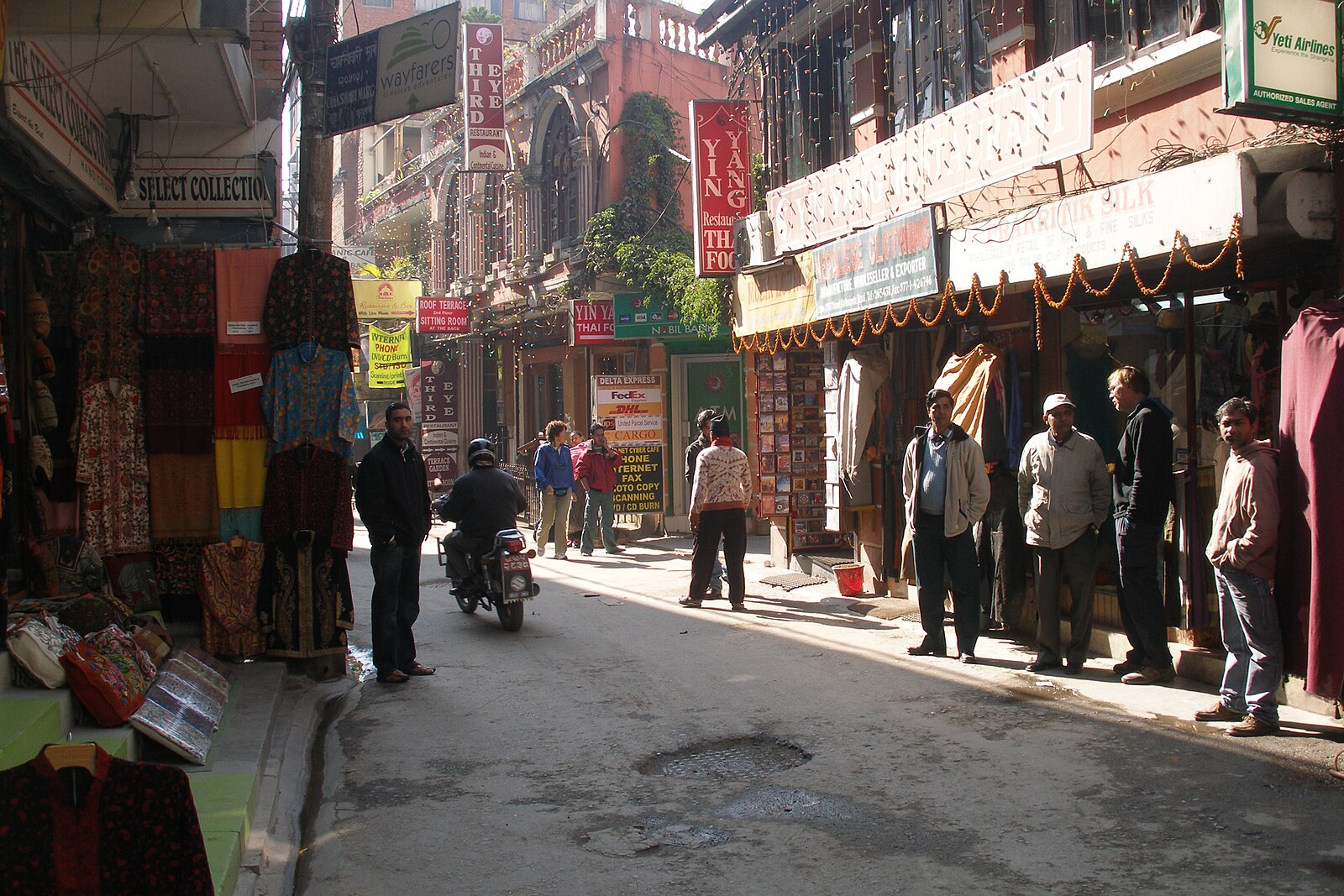
Thamel is full of gear shops, and this is genuinely the sensible approach for bulky items.
- Down jackets and sleeping bags are widely available for hire
- Trekking poles, duffel bags and hats are inexpensive to buy
- Be aware that much of the branded stock is counterfeit
- Quality varies, so inspect zips and seams carefully
- Boots are the exception — always bring your own, broken in
What to Leave at Home
- Cotton clothing of any kind
- Heavy books and unnecessary electronics
- Jeans
- Excessive toiletries
- A tent and cooking equipment for standard teahouse routes
Most Kathmandu hotels store excess luggage free while you trek. Take only what you need on the trail.
Ready to Pack?
Get the boots, the sleeping bag and the layering system right, and everything else is a detail you can fix in Thamel.
At Global Rising Tours & Travel, we send every client a route-specific kit list before departure and help arrange hire gear in Kathmandu. Explore our trekking packages or contact us with questions about your gear.