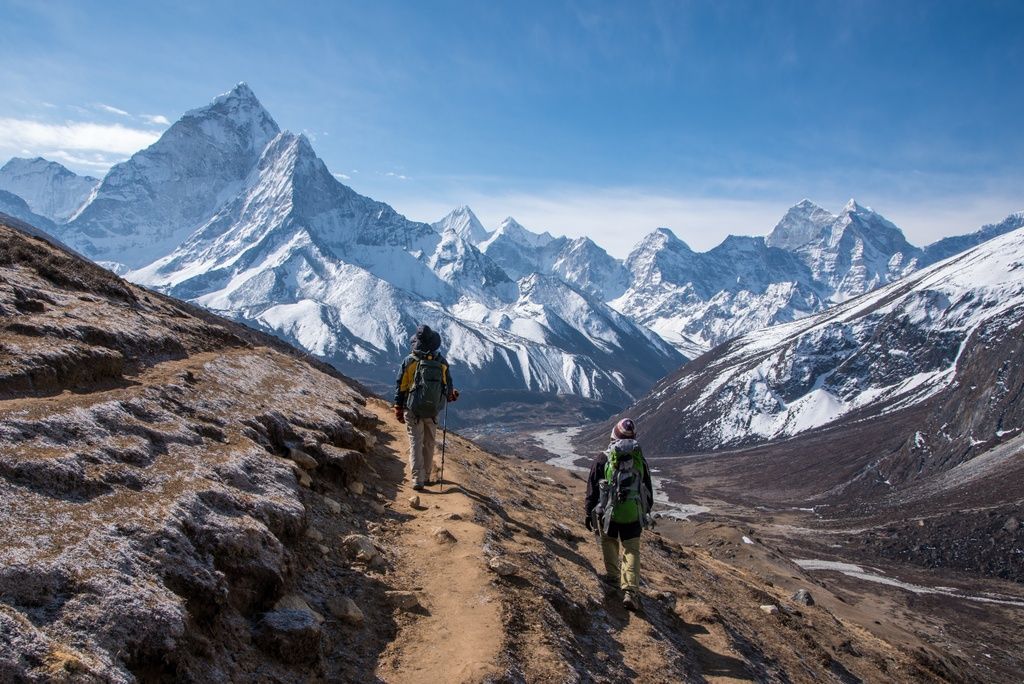
There’s a reason Nepal sits at the top of nearly every trekker’s bucket list. Home to eight of the world’s fourteen highest peaks including Mount Everest this small Himalayan nation offers walking trails for every ability, from gentle valley strolls to high-altitude expeditions beneath towering snow-capped giants.
If you’ve never trekked in Nepal before, the choices can feel overwhelming. This guide breaks down everything a first-time trekker needs to know, so you can arrive prepared, confident, and ready for the adventure of a lifetime.
Why Trek in Nepal?
Nepal is widely considered the finest trekking destination on Earth, and it’s easy to see why.
- Unmatched Himalayan scenery, including Everest, Annapurna, and Manaslu
- Well-established trails with teahouses and lodges along the way
- Routes suited to every fitness level and time frame
- Warm, welcoming mountain communities
- Affordable compared to trekking in Europe or South America
- A rich blend of Buddhist and Hindu culture in the hills
Whether you have five days or three weeks, there’s a trek in Nepal with your name on it.
Best Treks in Nepal for Beginners
You don’t need mountaineering experience to trek in Nepal. These routes are perfect for first-timers who are reasonably fit and eager to explore.
Ghorepani Poon Hill Trek
One of the most popular short treks in Nepal, ideal for beginners.
- Duration: 4–5 days
- Highlight: Sunrise over the Annapurna and Dhaulagiri ranges from Poon Hill
- Best for: Those short on time who still want jaw-dropping mountain views
Mardi Himal Trek
A quieter alternative to the busier Annapurna trails.
- Duration: 5–7 days
- Highlight: Close-up views of Machhapuchhre (Fishtail Mountain)
- Best for: Beginners wanting a peaceful, off-the-beaten-path experience
Langtang Valley Trek
A stunning valley trek within easy reach of Kathmandu.
- Duration: 7–10 days
- Highlight: Glacial landscapes, Tamang culture, and Kyanjin Gompa
- Best for: First-timers who want authentic culture alongside the mountains
Bucket-List Treks Worth Building Up To
Once you’ve caught the trekking bug, these iconic routes are the ones dreams are made of.
- Annapurna Base Camp Trek – A journey into a natural amphitheatre of peaks, usually 7–13 days.
- Everest Base Camp Trek – The legendary walk to the foot of the world’s highest mountain, around 12–14 days.
- Annapurna Circuit Trek – A classic long-distance route crossing the dramatic Thorong La Pass.
These require more time and fitness, but with the right preparation and a good guide, first-timers complete them successfully every season.
When Is the Best Time to Trek in Nepal?
Timing your trek well makes all the difference to your experience.
Autumn (September–November) is the peak trekking season, offering crystal-clear skies, stable weather, and the best mountain visibility of the year.
Spring (March–May) is the second-best window, with warmer days and hillsides blanketed in blooming rhododendrons.
Winter (December–February) suits lower-altitude treks, with fewer crowds but cold nights at higher elevations.
Monsoon (June–August) brings rain to most regions, though rain-shadow areas like Upper Mustang and Dolpo stay dry and trekkable.
Permits You’ll Need
Most treks in Nepal require a couple of permits, which a good agency can arrange for you.
- TIMS Card (Trekkers’ Information Management System)
- Conservation Area or National Park permit (e.g. ACAP for Annapurna, Sagarmatha for Everest)
- Restricted Area Permit for regions like Upper Mustang or Manaslu
Carry your passport, passport-sized photos, and payment in cash when arranging these.
How Much Does Trekking in Nepal Cost?
Nepal remains one of the most affordable trekking destinations in the world. Your budget will depend on the route, duration, and whether you hire a guide and porter.
- Budget teahouse trekking: roughly USD 30–50 per day
- Mid-range guided trek: roughly USD 60–100 per day
- Fully supported / remote treks: USD 120+ per day
Costs typically cover permits, accommodation, meals, a licensed guide, and porter support.
Essential Packing List
Pack light but smart. The mountains can shift from warm sun to freezing wind in hours.
- Sturdy, broken-in trekking boots
- Layered clothing (base layers, fleece, down jacket)
- Waterproof jacket and trousers
- Warm hat, gloves, and sun hat
- Sunglasses and high-SPF sunscreen
- Refillable water bottle and purification tablets
- Basic first-aid kit and personal medication
- Headtorch, power bank, and quick-dry towel
Top Tips for First-Time Trekkers
A few simple habits will keep your trek safe and enjoyable.
- Acclimatise slowly to avoid altitude sickness — never rush the ascent.
- Stay hydrated and eat well, even when your appetite dips at altitude.
- Hire a licensed guide, especially on remote or high-altitude routes.
- Buy travel insurance that covers high-altitude trekking and helicopter evacuation.
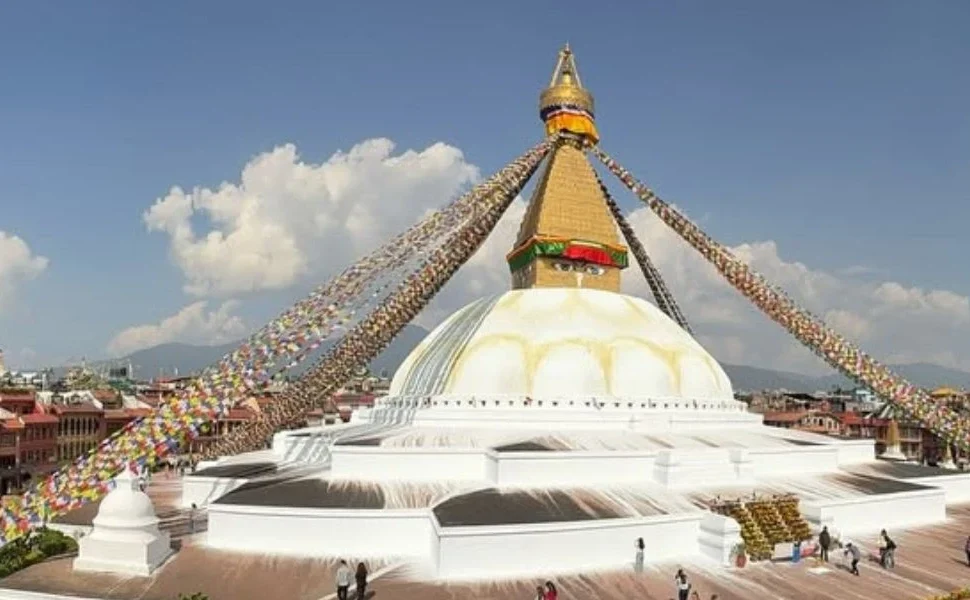
- Respect local customs and walk clockwise around stupas and mani walls.
- Carry cash, as ATMs are rare once you leave the towns.
Ready to Take Your First Steps in the Himalayas?
Trekking in Nepal is a life-changing experience — and it’s far more accessible than most first-timers imagine. With the right route, the right season, and the right team behind you, your Himalayan adventure can be smooth from start to summit.
At Global Rising Tours & Travel, we’ve been guiding trekkers through Nepal’s mountains since 2010. From short scenic hikes to legendary base camp expeditions, our experienced local guides handle every permit, logistic, and detail — so all you have to do is walk. Explore our trekking packages and start planning your first Nepal adventure today.