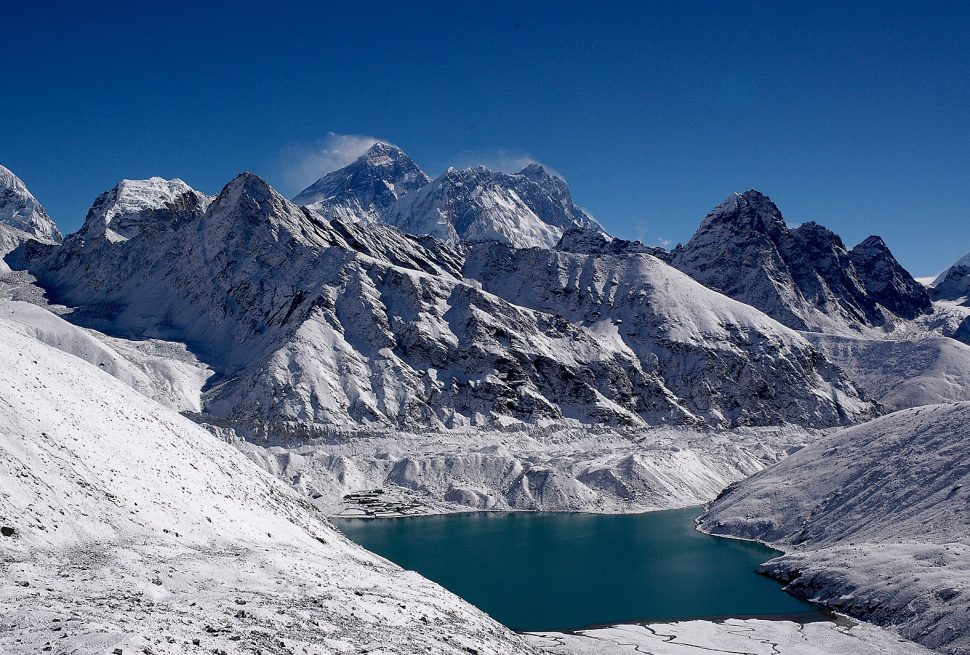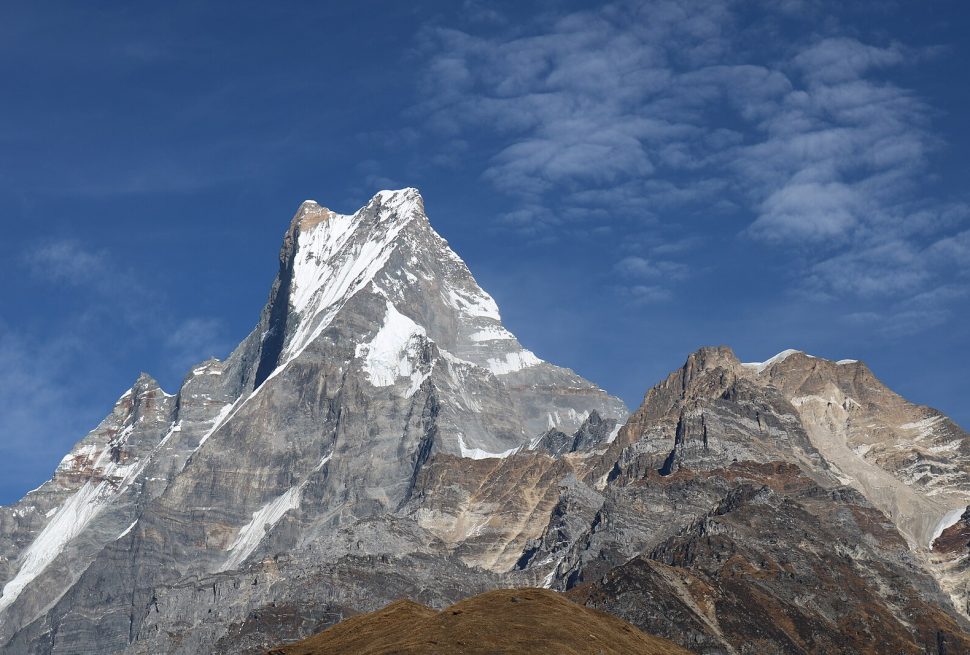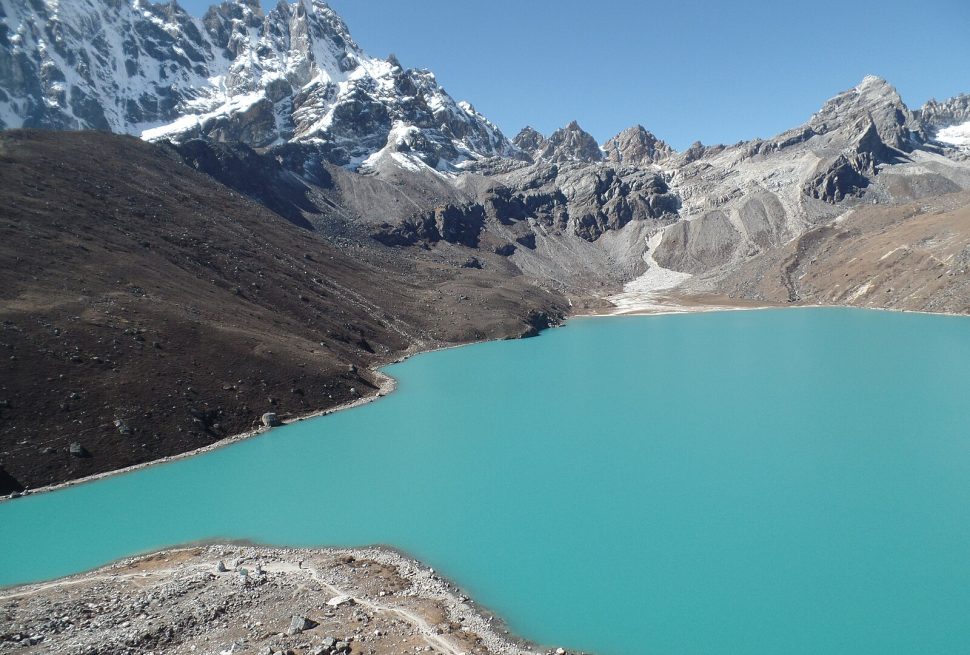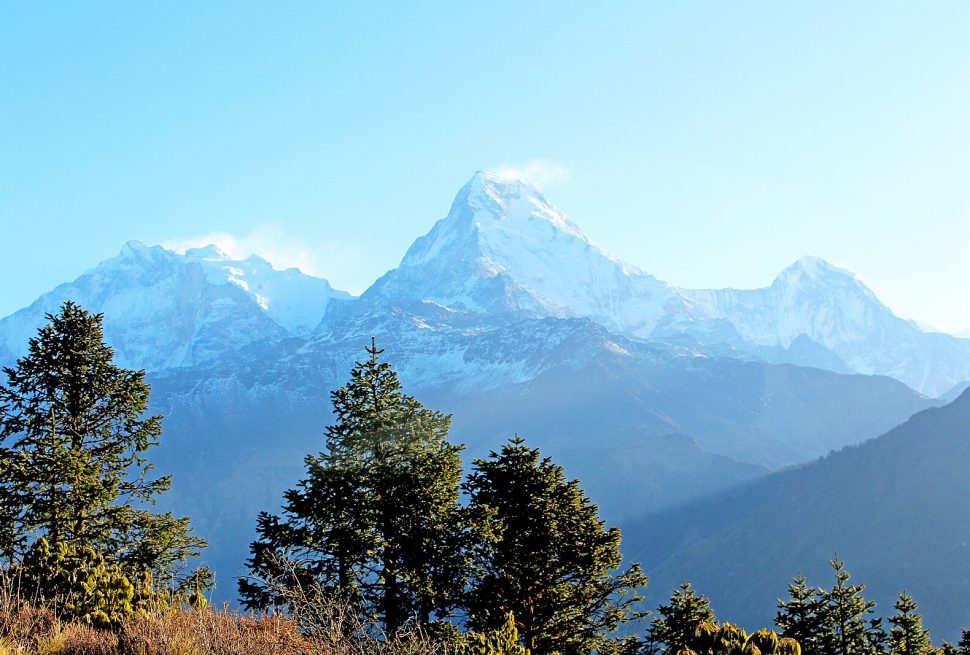
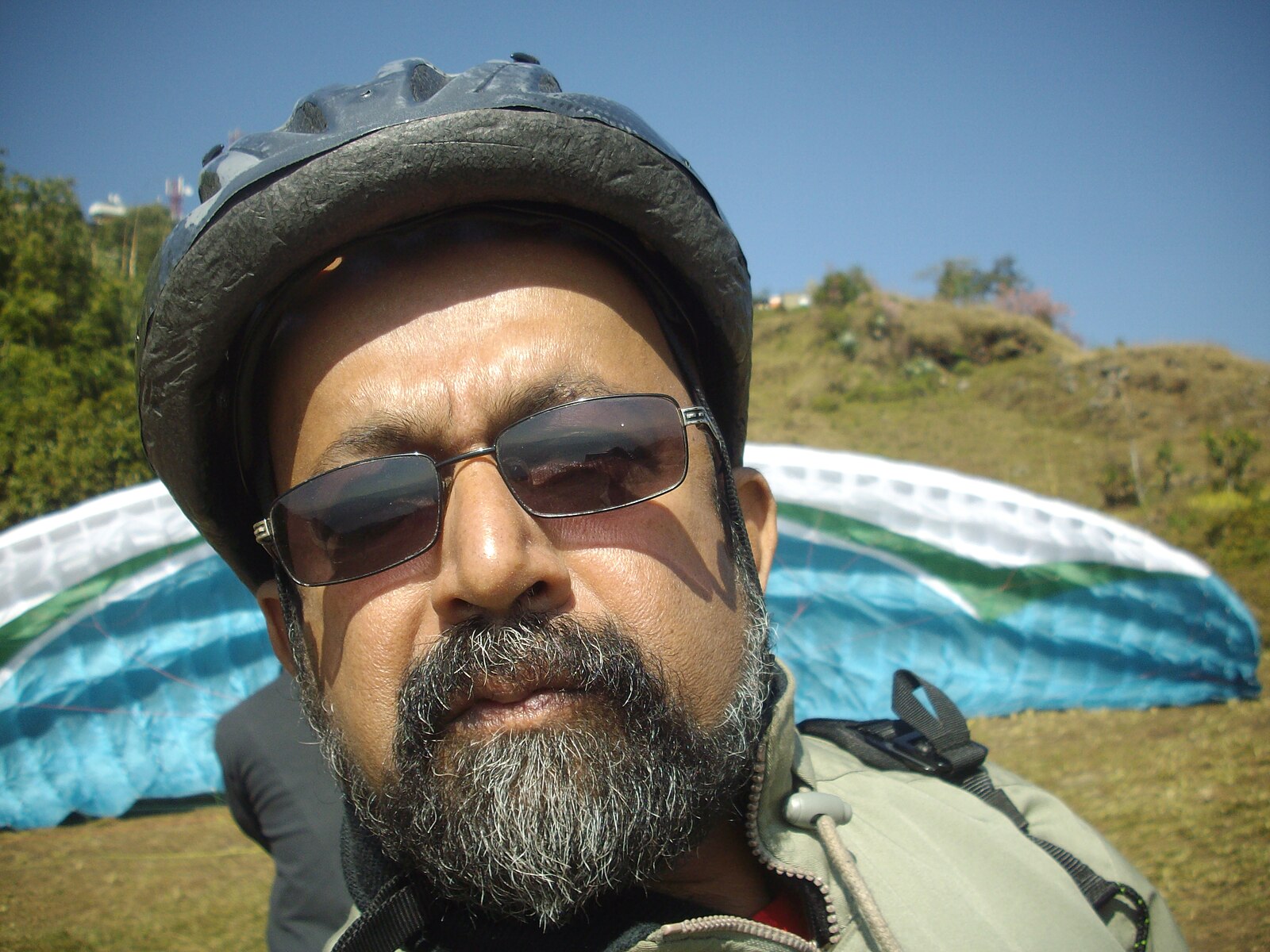
Pokhara is regularly ranked among the finest paragliding destinations in the world, and the reasons are geographical. You have a launch ridge at Sarangkot, a large lake below to generate reliable thermals, stable air through much of the year, and an 8,000m mountain range as a backdrop.
No previous experience is needed. Tandem flights carry you with a qualified pilot doing all the work.
What a Tandem Flight Involves
- Pick-up from your hotel and a 30-minute drive up to Sarangkot (1,592m)
- A short safety briefing and harness fitting
- Launch is a few running steps off the ridge — it happens fast
- 20 to 30 minutes airborne for a standard flight
- Landing beside Phewa Lake, near the lakeside strip
The launch is the part people worry about and it is over in seconds. Once the wing inflates you simply sit back into the harness.
Flight Options
- Standard tandem — 20 to 30 minutes, the most popular choice
- Cross-country — one to two hours, covering greater distance
- Acrobatic flight — spirals and wingovers for those who want them
- Parahawking — flying alongside trained birds of prey, unique to Pokhara
Parahawking is genuinely distinctive and supports raptor conservation work, though availability is seasonal.
Costs
- Standard tandem flights typically USD 70 to USD 110
- Cross-country flights USD 150 to USD 250
- Photos and video usually cost an extra USD 20 to USD 30
- Transport to Sarangkot is normally included
Confirm whether photos are included before you fly. Pricing varies between operators.
Best Time to Fly
- October to April — the main season, with the most stable conditions
- November to December — the clearest mountain views of the year
- Morning flights offer smoother air and better visibility
- Midday flights give stronger thermals and longer airtime
- June to September — monsoon rain grounds most flights
Weight and Health Limits
- Most operators accept 35kg to 100kg
- Passengers above 90kg may pay a supplement or need a specific wing
- Not advisable with recent surgery, heart conditions or serious back problems
- Pregnancy is a standard exclusion
- Children usually need to be at least five and accompanied
Safety: What to Check
Pokhara has a good safety record, but standards do vary between operators.
- Confirm the pilot holds a current licence and tandem rating
- Ask about insurance cover for passengers
- Check that the reserve parachute has been repacked within the last year
- Established operators publish flight-hour records for their pilots
- Flights are grounded in high wind, and a cancellation is a good sign
Never push an operator to fly in marginal conditions. The good ones will refuse anyway.
What to Wear
- Closed shoes with ankle support, ideally trainers or light boots
- Long sleeves and trousers, as it is cooler in the air
- Sunglasses, secured if possible
- Leave loose hats and scarves behind
- Secure your phone or leave it with the ground crew
Ready to Fly Over Phewa Lake?
For most visitors this is the single most memorable half-hour of a Nepal trip, and it needs no training or preparation at all.
At Global Rising Tours & Travel, we book paragliding with established Pokhara operators and can combine it with lake and mountain itineraries. Explore our adventure packages or contact us to arrange a flight.