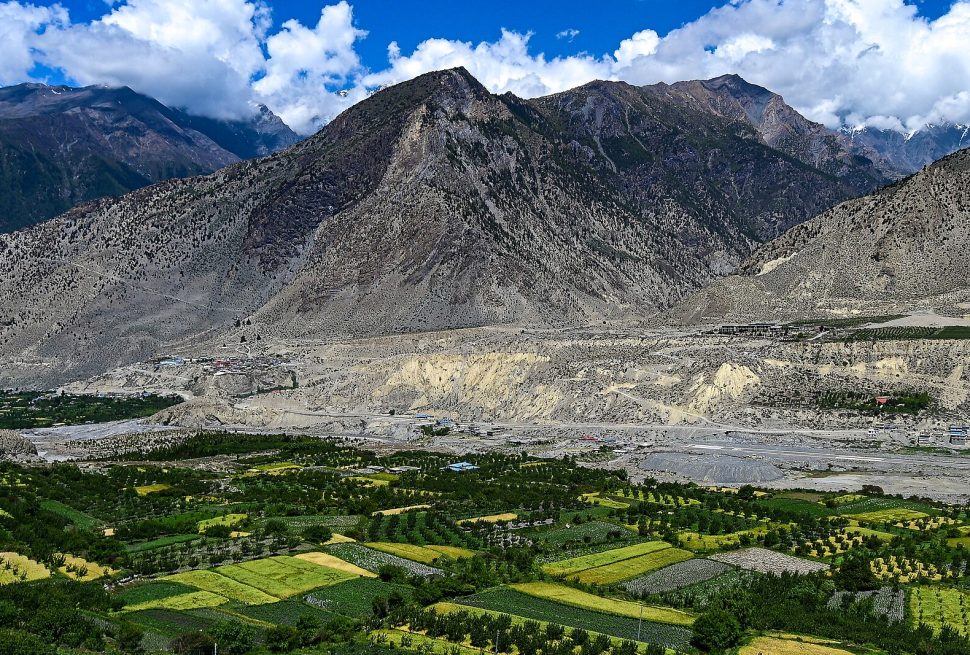
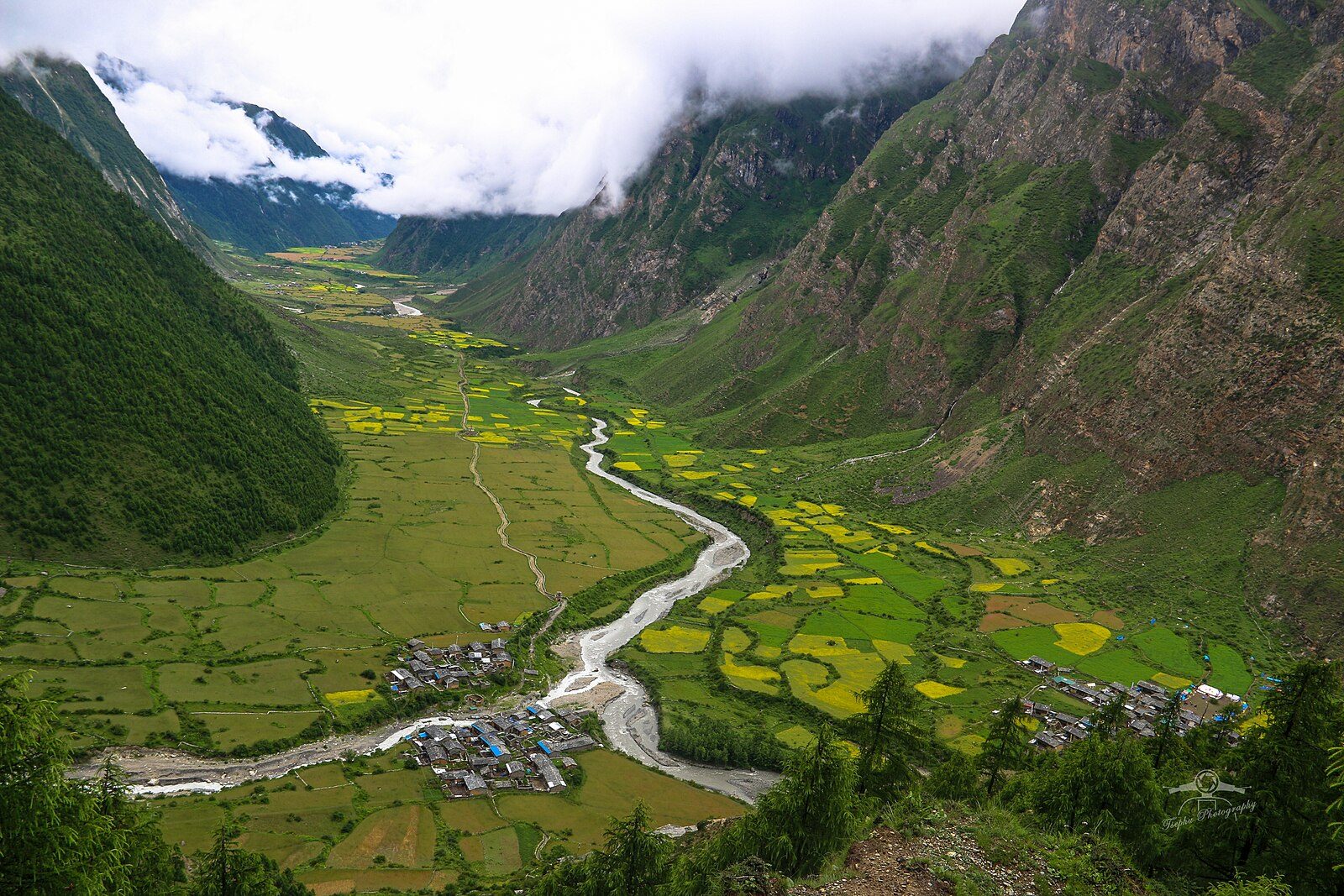
Tsum means “vivid” in the local Tibetan dialect, and the valley has been regarded as a beyul — a sacred hidden valley — for centuries. It branches off the Manaslu Circuit in Gorkha district and was closed to outsiders until 2008.
What sets Tsum apart is not the scenery alone but the culture. This is a valley where the community has upheld a formal ban on hunting and animal slaughter for generations.
What You Will Find
- Mu Gompa (3,700m), the valley’s highest monastery
- Rachen Gompa, a substantial nunnery on the valley floor
- Milarepa’s Cave, associated with the great Tibetan yogi
- Traditional Tsumba culture and language
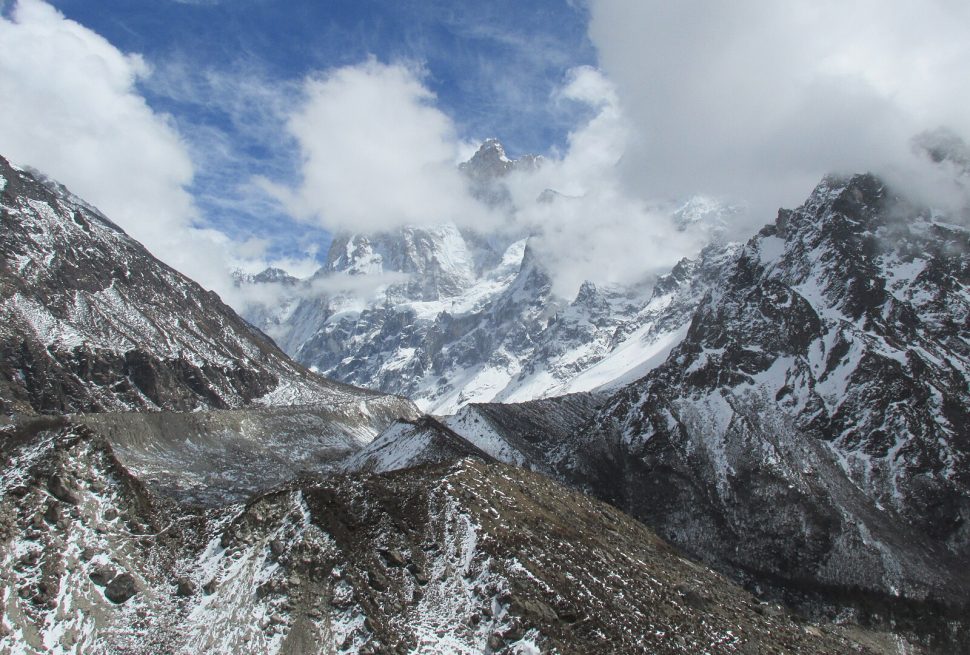
- Views of Ganesh Himal and Sringi Himal
The Route
Fourteen to eighteen days depending on whether you combine it with the Manaslu Circuit.
- Machha Khola — the shared Manaslu trailhead
- Jagat — the restricted area checkpoint
- Lokpa — where the Tsum Valley branches away from the Manaslu trail
- Chumling and Chhokangparo (3,010m) — the valley opens out
- Nile and Mu Gompa (3,700m) — the upper valley
- Rachen Gompa and Milarepa’s Cave on the return
Many trekkers combine Tsum with the Manaslu Circuit into a single three-week route, which is the most efficient use of the permits.
Permits
Tsum is a restricted area with its own permit, separate from Manaslu’s.
- Tsum Valley Restricted Area Permit, priced per week
- MCAP (Manaslu Conservation Area) permit
- ACAP if you continue over the Larke La
- A minimum of two trekkers and a licensed guide
Costs
- Guided packages typically USD 1,200 to USD 2,000 per person
- Combined Tsum and Manaslu itineraries sit at the upper end
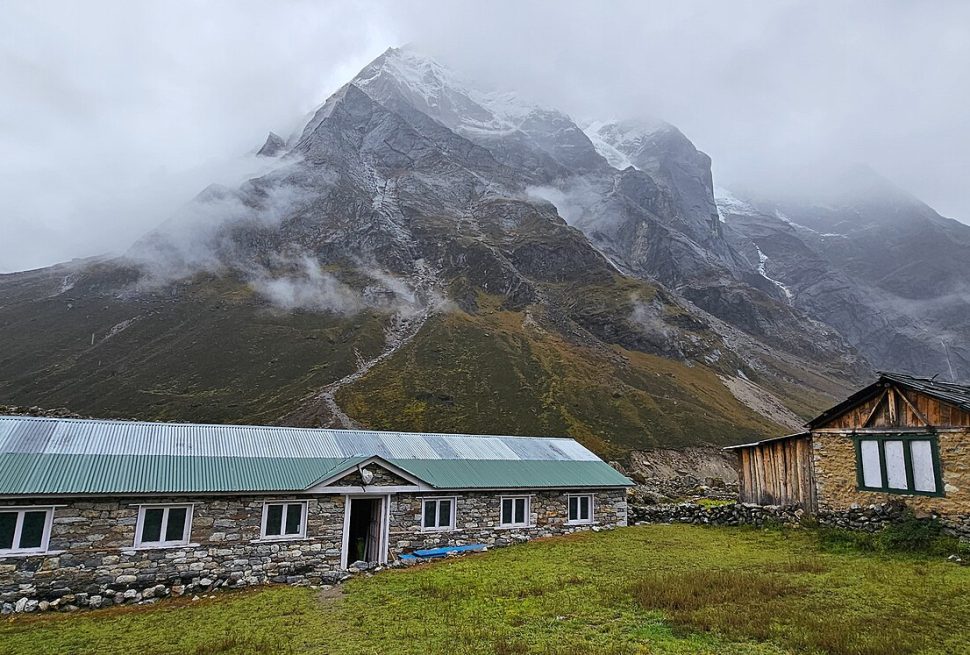
- Lodges are simple homestays and small teahouses
- Long jeep transfers at both ends
Best Time to Go
- October to November — the most stable weather
- March to May — good, with rhododendron on the lower trail
- Winter — very cold, and the upper valley largely empties
- Monsoon — landslide risk on the Budhi Gandaki road
Visiting Respectfully
Tsum’s appeal is cultural, and a little care goes a long way.
- Walk clockwise around chortens, mani walls and monasteries
- Ask before photographing people or inside gompas
- Meat is not traditionally consumed in the valley — respect that in your requests
- Dress modestly, particularly around monastic buildings
- Small donations to monasteries are appreciated and go directly to upkeep
Ready to Visit the Hidden Valley?
Tsum offers something increasingly rare — a Himalayan valley where the culture, not the trail infrastructure, is the main event.
At Global Rising Tours & Travel, we run Tsum Valley and combined Manaslu departures with guides who know the monasteries and the families in them. See our trekking packages to plan your route.