Nepal is often said to have more festivals than days in the year, and while that is a slight exaggeration, it is not far off. Religious life here blends Hindu and Buddhist traditions with local practices, producing a calendar packed with processions, chariot pulls and family rituals.
Timing a visit around a major festival adds enormously to a trip — provided you understand how it affects transport and opening hours.
A Note on Dates
Nepali festivals follow the lunar calendar, so Gregorian dates shift each year.
- Most festivals move by two to three weeks year to year
- Always confirm exact dates when booking
- The Nepali year begins in mid-April, not January
- Nepal uses the Bikram Sambat calendar, roughly 56.7 years ahead
Dashain (September or October)
The biggest festival of the year, running fifteen days.
- Celebrates the goddess Durga’s victory over the buffalo demon
- Families travel home in huge numbers
- Elders give tika and jamara blessings to younger relatives
- Bamboo swings and kite flying appear across the country
Practical warning: Dashain effectively closes Nepal for several days. Shops shut, buses are fully booked weeks ahead, and offices close. Plan around it rather than through it.
Tihar (October or November)
The five-day festival of lights, and visually the most beautiful.
- Homes lit with oil lamps and candles
- Crows, dogs, cows and oxen each honoured on successive days
- Kukur Tihar, when dogs are garlanded and given tika, delights visitors
- Bhai Tika, when sisters bless their brothers
- Deusi-Bhailo singing groups going door to door
Kathmandu during Tihar is genuinely magical. The whole city is lit with lamps and marigolds.
Indra Jatra (September)
Kathmandu’s great street festival, centred on Durbar Square.
- Eight days of masked dances and processions
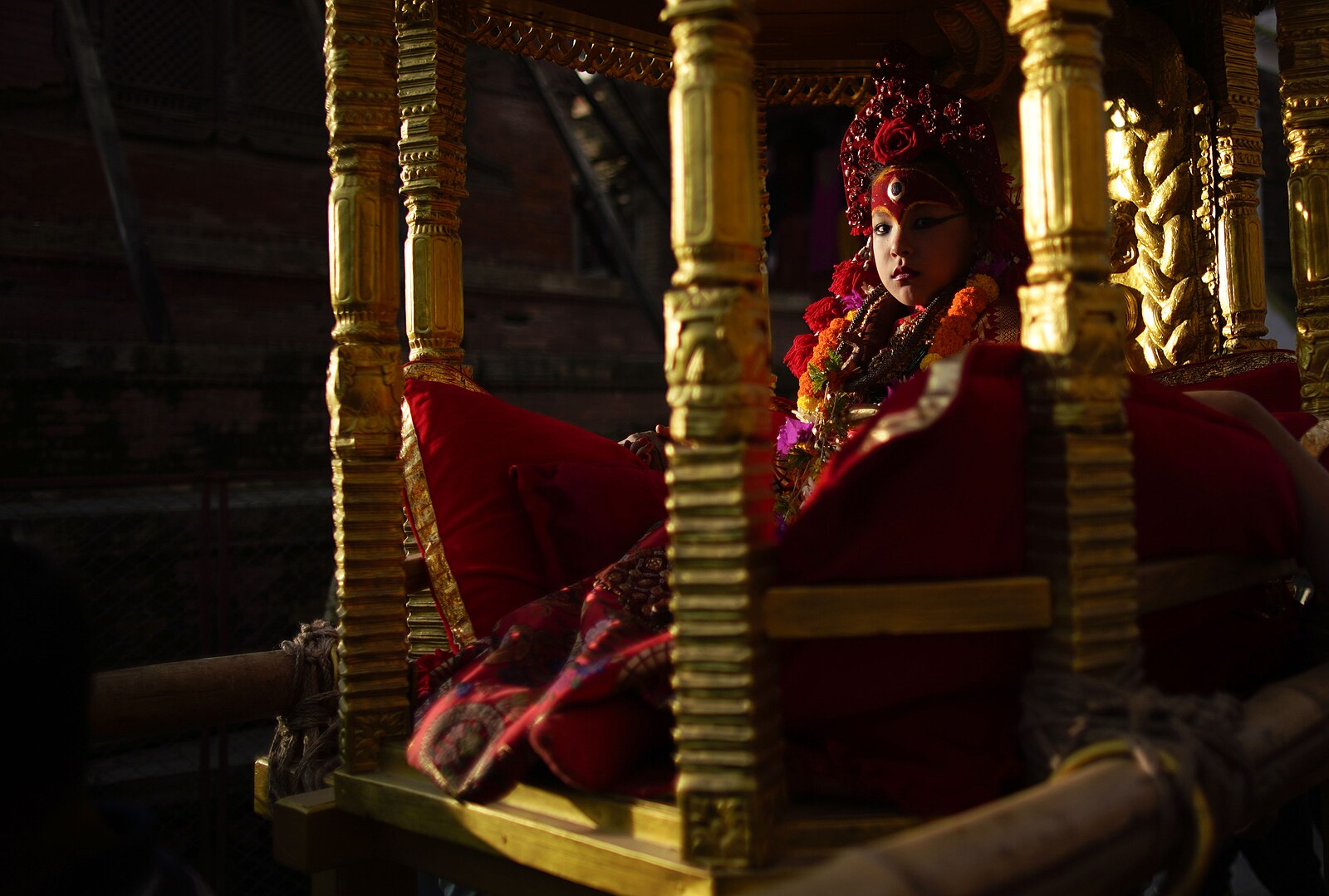
- The chariot procession of the Kumari, the living goddess
- Lakhe demon dancers through the old city
- The raising of a ceremonial wooden pole at Hanuman Dhoka
This is the single best festival for visitors who want spectacle in a compact area.
Holi (February or March)
The festival of colours, celebrated with considerable enthusiasm.
- Coloured powder and water thrown freely in the streets
- Celebrated a day earlier in the hills than in the Terai
- Wear clothes you are willing to ruin
- Be aware that water balloons are thrown from rooftops
Holi is great fun but can be boisterous. Women travelling alone may prefer to watch from a restaurant balcony.
Buddha Jayanti (April or May)
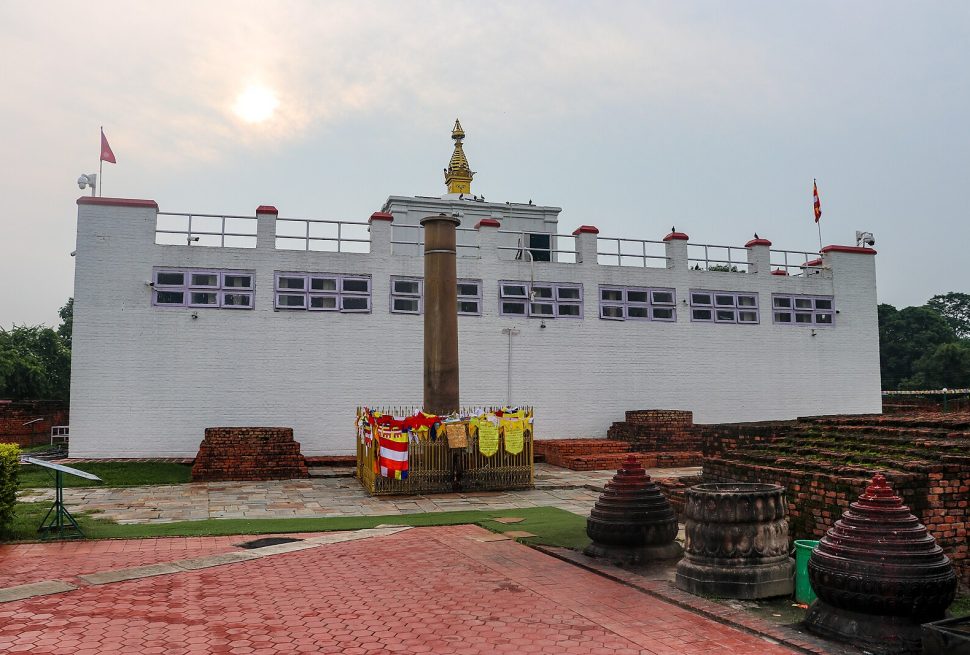
Marks the birth, enlightenment and death of the Buddha.
- Especially significant at Lumbini, Swayambhunath and Boudhanath
- Monasteries hold prayers and processions
- Boudhanath is circled by thousands of pilgrims
- A quieter, more contemplative festival
Other Notable Festivals
- Bisket Jatra (April) — Bhaktapur’s dramatic chariot festival and new year
- Rato Machhindranath (April to May) — Patan’s month-long chariot procession
- Janai Purnima (August) — sacred thread renewal, with pilgrimage to Gosaikunda
- Teej (August or September) — women’s festival, with red saris and fasting
- Losar (January to March) — Tibetan and Sherpa new year, big in the Khumbu
Losar is particularly worth catching if you are trekking in the Everest region.
Planning Around Festivals
- Book domestic flights and buses far in advance around Dashain and Tihar
- Expect banks and government offices to close for several days
- Trekking is unaffected, but staff may want time at home
- Hotel rates rise in Kathmandu during major festivals
- Some trekking staff are harder to arrange during Dashain
Ready to Time Your Trip Around a Festival?
Arriving during Indra Jatra or Tihar turns a good trip into a memorable one, provided the logistics are handled properly.
At Global Rising Tours & Travel, we build festival timing into itineraries and handle the booking pressure that comes with it. See our tour packages or contact us with your travel dates.