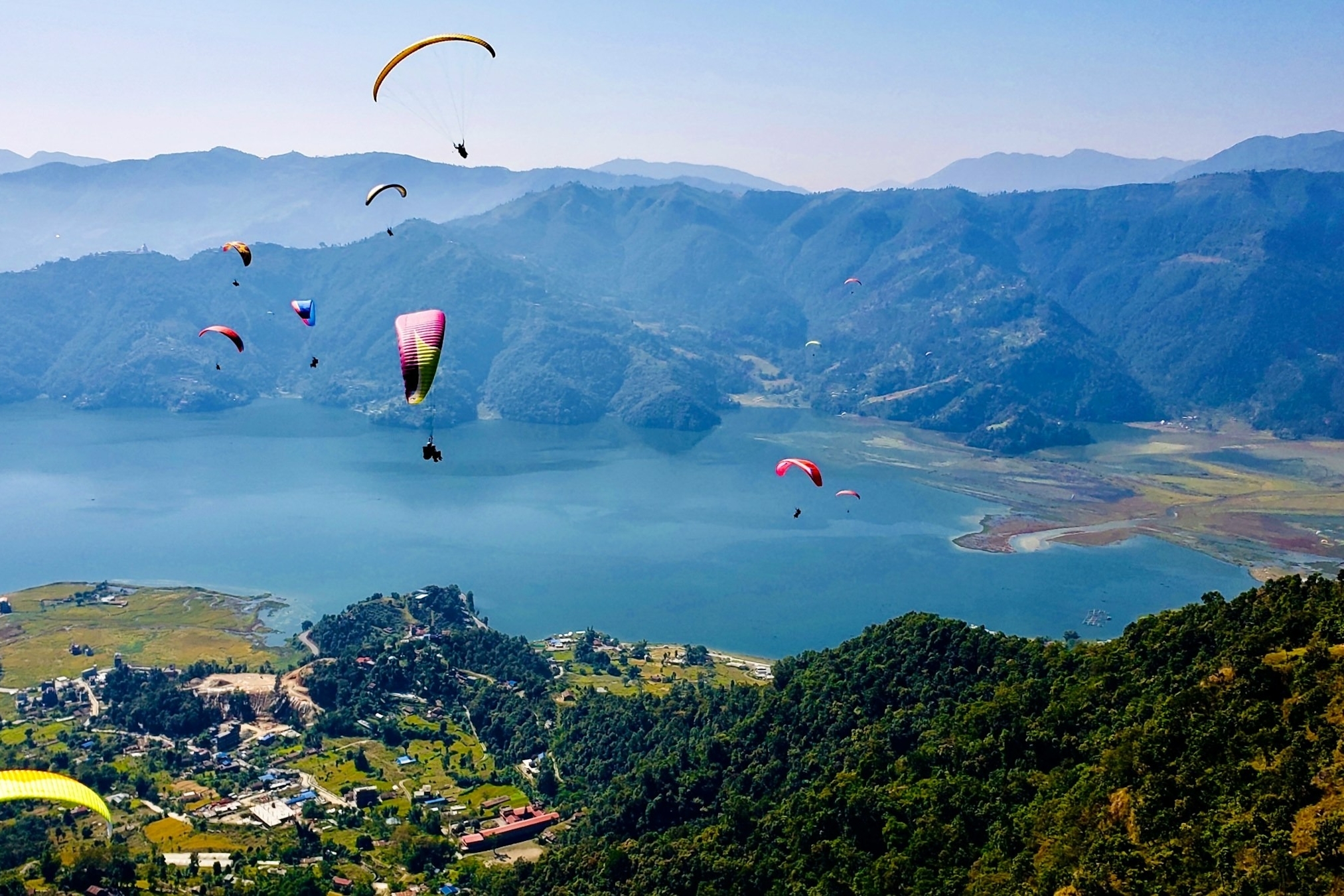
If Kathmandu is Nepal’s beating heart, Pokhara is where it goes to breathe. Set beside the mirror-still waters of Phewa Lake with the Annapurna range towering on the horizon, Nepal’s second city is the country’s tourism capital and its most relaxed corner all at once. It’s the launchpad for legendary treks, the home of adventure sports, and, just as easily, the perfect place to do absolutely nothing at all.
Whether you’re passing through before a trek or planning Pokhara as a destination in its own right, this guide covers everything you need to know to make the most of your visit in 2026.
Why Visit Pokhara?
Pokhara offers a rare mix of natural beauty, adventure, and calm that few places in the world can match.
- Postcard views of Machhapuchhre (Fishtail) and the Annapurna massif reflected in Phewa Lake
- The gateway to iconic treks like Annapurna Base Camp, Ghorepani Poon Hill, and Mardi Himal
- A world-class hub for paragliding, zip-lining, and white-water rafting
- A laid-back lakeside vibe with cafés, boutiques, and rooftop restaurants
- Warmer, gentler weather than the higher Himalayan regions
- Easy to reach from Kathmandu by road, air, or tourist bus
However you like to travel, Pokhara knows how to slow you down and lift you up at the same time.
How to Get to Pokhara
Pokhara sits around 200 km west of Kathmandu, and there are a few ways to make the journey.
By Air
The quickest option is a short domestic flight from Kathmandu, taking roughly 25–30 minutes with breathtaking mountain views the whole way. Pokhara International Airport, opened in 2023, currently handles mostly domestic services, though the first regular daily international flights — a Dubai–Pokhara route with Flydubai — are set to begin in late September 2026. For now, most international visitors still fly into Kathmandu first, then connect onward.
By Road
The drive from Kathmandu takes around 6–7 hours along the Prithvi Highway, tracing rivers and terraced hills. Tourist buses are comfortable and affordable, while a private car or a tourist “super deluxe” coach offers more flexibility and comfort.
Best Time to Visit Pokhara
Pokhara is a year-round destination, but the experience changes with the seasons.
Autumn (September–November) is the finest window, with clear skies, crisp mountain views, and pleasant temperatures — ideal for both sightseeing and trekking.
Spring (March–May) brings warm days and blooming rhododendrons across the surrounding hills, along with excellent visibility.
Winter (December–February) stays mild in the valley itself, making it perfect for lakeside relaxing, though mornings can be misty.
Monsoon (June–August) turns the hills lush and green, but expect cloud, rain, and reduced mountain views.
Top Things to Do in Pokhara
There’s far more to Pokhara than lake views. Here’s what belongs on your list.
Boat on Phewa Lake
Hire a colourful wooden doonga and paddle out to the Tal Barahi Temple, which sits on a small island in the middle of the lake. Sunrise and sunset are pure magic.
Paraglide Over the Valley
Pokhara is one of the world’s premier paragliding spots. Launch from Sarangkot and soar alongside eagles with the Annapurnas spread out beneath you — no experience needed for a tandem flight.
Catch Sunrise at Sarangkot
The hilltop viewpoint above the city delivers a jaw-dropping Himalayan sunrise, with the first light hitting Machhapuchhre and Annapurna. It’s an early start well worth setting an alarm for.
Visit the World Peace Pagoda
Perched on a ridge across the lake, this gleaming white stupa offers sweeping views over Pokhara, Phewa Lake, and the mountains beyond. Reach it by boat and a short hike, or by road.
Explore Caves and Waterfalls
Devi’s Fall and the neighbouring Gupteshwor Cave make a fascinating pair, while Mahendra Cave offers another underground adventure just outside the city.
Wander Lakeside
The Lakeside district is the city’s lively heart — a walkable strip of restaurants, cafés, craft shops, and bars where trekkers and travellers gather to swap stories.
Adventure Activities in Pokhara
For the thrill-seekers, Pokhara is a playground.
- Paragliding – tandem flights from Sarangkot, one of the best in the world
- Zip-lining – one of the steepest and longest zip-lines on the planet
- White-water rafting – on the nearby Seti and Trishuli rivers
- Ultralight flights – small aircraft rides for close-up mountain views
- Bungee jumping – for those chasing the ultimate adrenaline rush
Pokhara as a Trekking Gateway
Many travellers use Pokhara as the base for some of Nepal’s most rewarding treks.
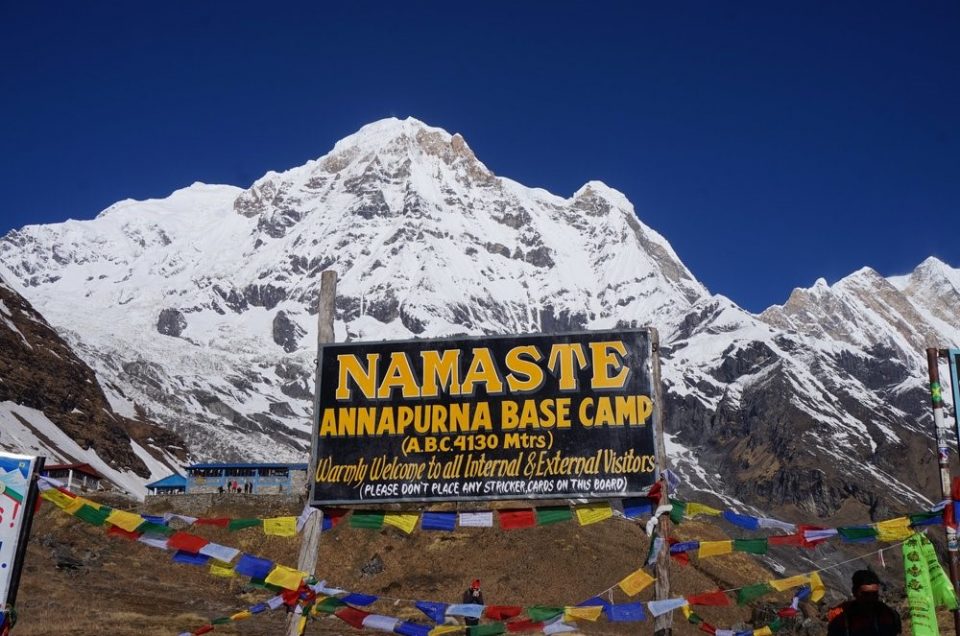
- Annapurna Base Camp Trek – a 7–13 day journey into a natural amphitheatre of peaks
- Ghorepani Poon Hill Trek – a beginner-friendly 4–5 day classic with a famous sunrise
- Mardi Himal Trek – a quieter 5–7 day route with stunning Fishtail views
- Annapurna Circuit Trek – the legendary long-distance loop over the Thorong La Pass
Permits and guides for all of these can be arranged easily from Pokhara.
How Much Does a Pokhara Trip Cost?
Pokhara suits every budget, from backpackers to comfort-seekers.
- Budget travel (guesthouses, local food): roughly USD 25–40 per day
- Mid-range (comfortable hotels, activities): roughly USD 50–90 per day
- Luxury (upscale resorts, private tours): USD 120+ per day
Adventure activities are extra — a tandem paragliding flight, for example, typically costs around USD 70–90.
Where to Stay in Pokhara
Most visitors base themselves in Lakeside (Baidam), right by Phewa Lake and within walking distance of the best cafés, shops, and boat jetties. For a quieter, more scenic stay, look to the hillside resorts around Sarangkot or the northern end of the lake, where the views are unbeatable and the pace even slower.
Practical Tips for Visiting Pokhara
A few simple pointers to keep your trip smooth.
- Carry some cash, as smaller shops and cafés may not accept cards.
- Book activities through a trusted operator for safety, especially paragliding and rafting.
- Start early for Sarangkot sunrise and boat trips to beat the crowds and cloud.
- Pack layers, as mornings and evenings can be cool even when days are warm.
- Allow at least 2–3 days to enjoy Pokhara properly rather than rushing through.
- Respect local customs at temples and religious sites, dressing modestly.
Plan Your Pokhara Escape with Global Rising
Pokhara is one of those rare places that works for everyone — the adventurer, the trekker, the culture lover, and the traveller who simply wants to sit by a lake with a coffee and a mountain view. With the right plan, a few days here can become the highlight of your entire Nepal trip.
At Global Rising Tours & Travel, we’ve been crafting unforgettable Nepal journeys since 2010. From lakeside stays and Sarangkot sunrises to full Annapurna treks and multi-city tours, our local experts handle the flights, transport, permits, and every detail in between. Explore our Nepal tour packages and let us help you discover the magic of Pokhara today.