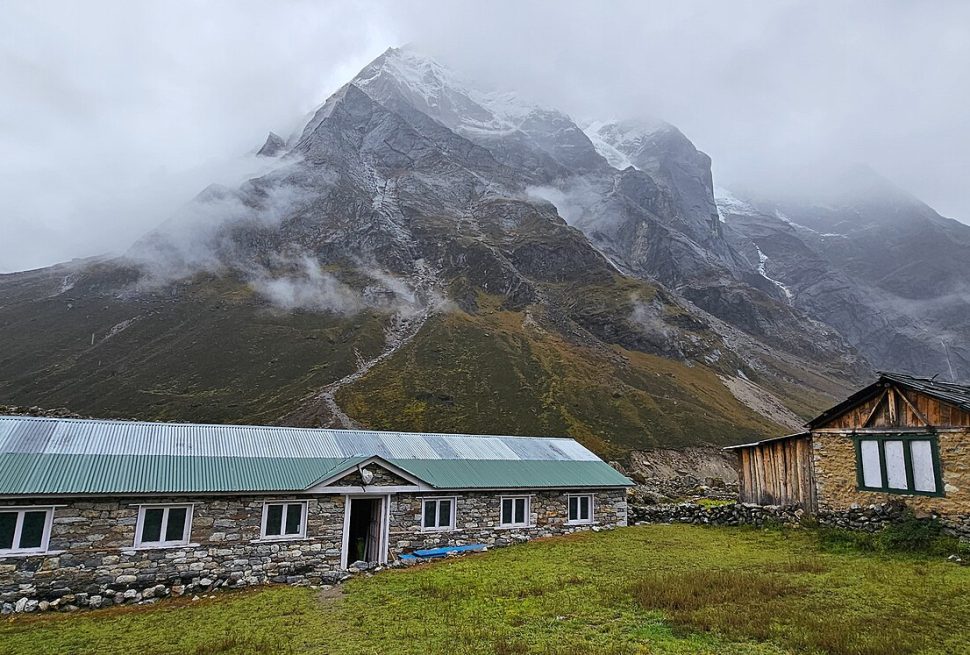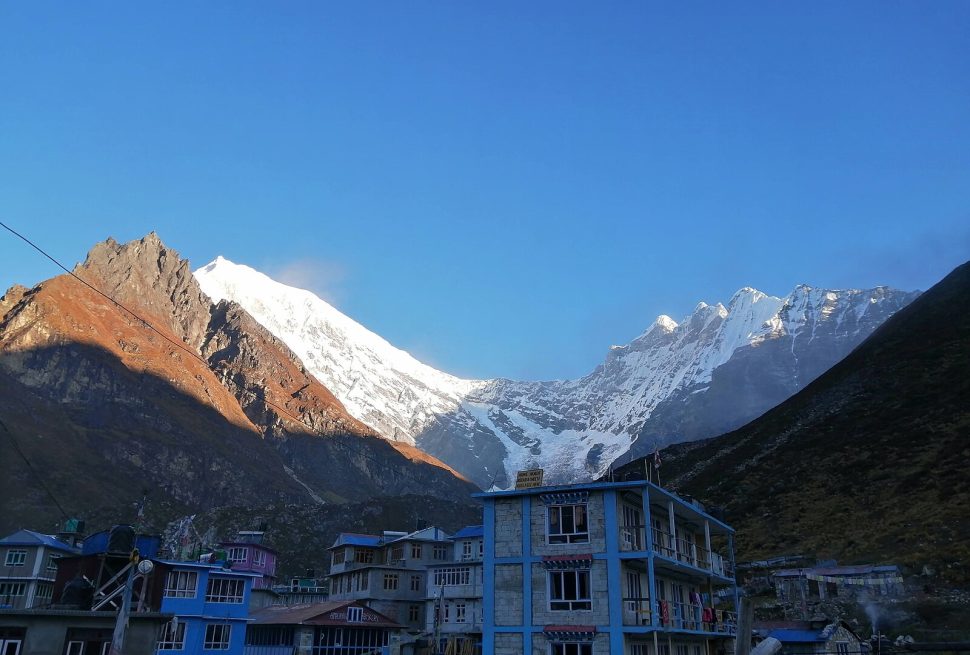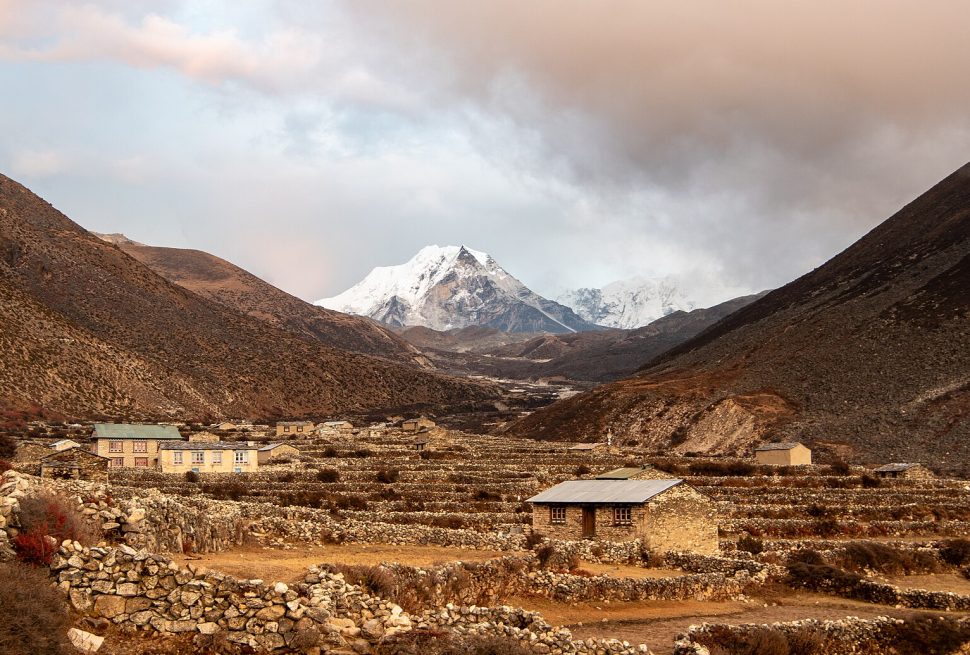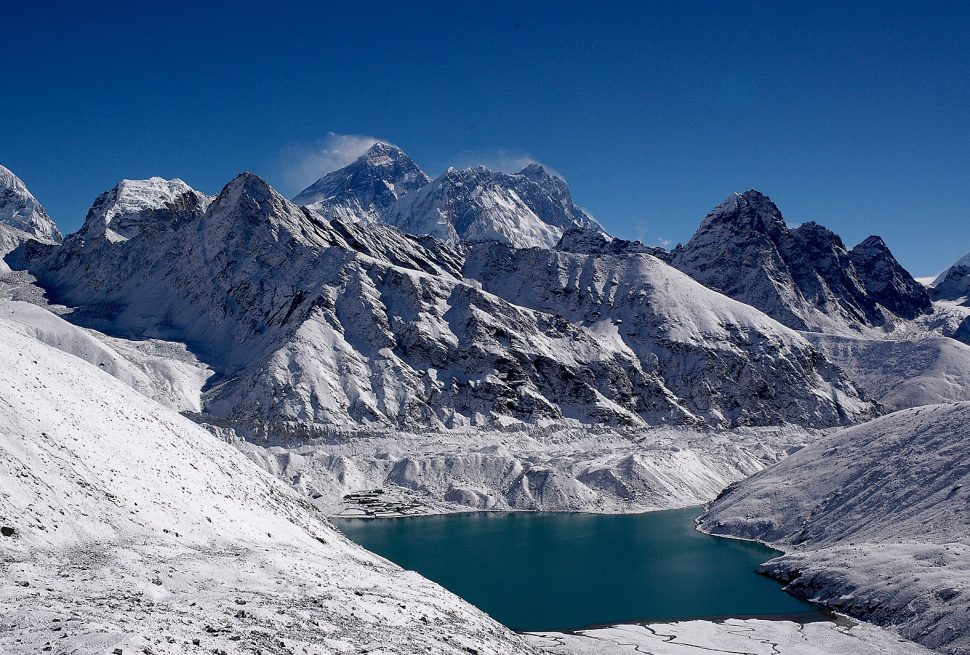
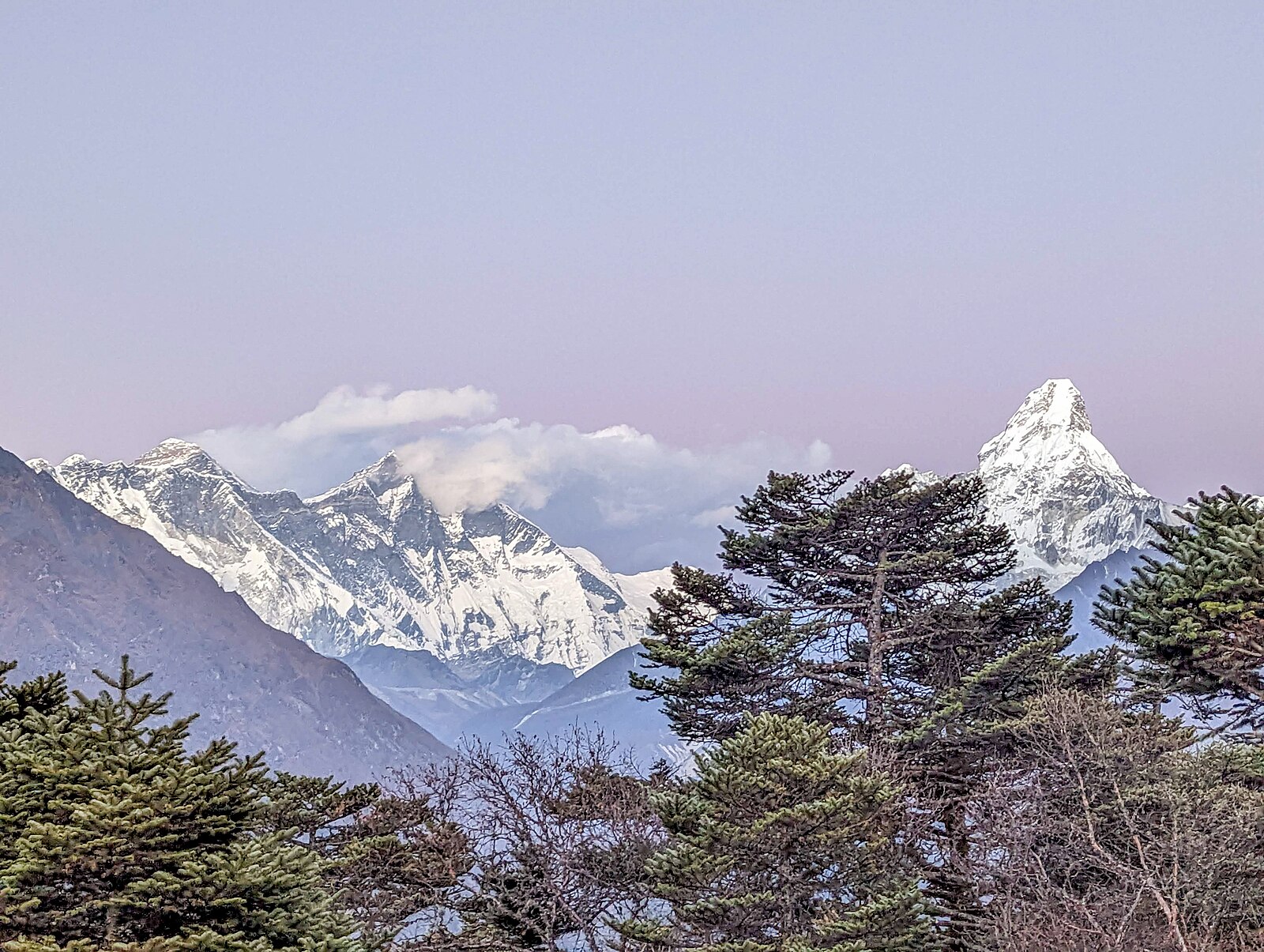
Standing at the foot of the world’s highest mountain is one of those rare travel experiences that lives up to every expectation. The Everest Base Camp trek is not the hardest walk in Nepal, nor the highest, but it remains the one that draws people back to the Himalaya again and again.
This guide covers what the trek actually involves in 2026 — the route, the money, the paperwork, and the honest physical demands — so you can decide whether it belongs on your calendar.
Where the Trek Actually Takes You
The classic route starts with a short mountain flight from Kathmandu to Lukla, then follows the Dudh Koshi valley north into the Khumbu, the homeland of the Sherpa people.
- Lukla (2,860m) — the trailhead, reached by a 35-minute flight
- Namche Bazaar (3,440m) — the Khumbu’s trading hub and main acclimatisation stop
- Tengboche (3,860m) — home to the region’s most important monastery
- Dingboche (4,410m) — a second acclimatisation stop with big mountain views
- Gorak Shep (5,164m) — the final settlement before base camp
- Everest Base Camp (5,364m) — the glacier-side camp itself
- Kala Patthar (5,545m) — the viewpoint that actually shows you Everest
A point that surprises many first-timers: you cannot see Everest’s summit from base camp itself. Kala Patthar, the small dark hill above Gorak Shep, is where the classic photograph is taken.
How Long It Takes
Most itineraries run 12 to 14 days from Lukla and back. Shorter versions exist, but they cut acclimatisation days, and that is exactly where trouble starts.
- 12 days — the standard round trip with two acclimatisation days
- 14 days — a more comfortable pace, and our usual recommendation
- 16 days — adds Gokyo or a buffer day for weather delays
Build one or two spare days into your international flights. Lukla weather delays are common and entirely outside anyone’s control.
Permits and Paperwork
Two permits are required for the Khumbu, and neither needs to be arranged before you arrive.
- Sagarmatha National Park entry permit
- Khumbu Pasang Lhamu Rural Municipality permit
- Together these typically total around NPR 5,000 to 6,000 per trekker
Note that the TIMS card is no longer required for the Everest region. Fees are reviewed periodically, so confirm current rates when you book.
What It Costs
Excluding international flights, a guided Everest Base Camp trek generally falls between USD 1,400 and USD 2,500 per person depending on group size and standard of lodge.
- Kathmandu–Lukla return flights — a significant fixed cost
- Guide and porter wages, insurance and permits
- Teahouse accommodation and three meals daily
- Charging, hot showers and Wi-Fi are extra and get pricier with altitude
Budget an extra USD 15 to 25 per day for drinks, charging and the occasional slice of apple pie in Namche.
Best Time to Go
Two seasons dominate, and they are genuinely different experiences.
- October to November — the most stable weather, clearest skies, busiest trails
- March to May — warmer, rhododendrons in bloom, slightly hazier views
- December to February — quiet and beautiful, but seriously cold at altitude
- June to September — monsoon brings cloud, mud and frequent flight cancellations
How Fit Do You Need to Be?
The trek involves five to seven hours of walking on most days, on rocky but well-made trails. There is no climbing and no technical ground.
- You should be comfortable walking for several consecutive days
- Regular hill walking or stair training in the months beforehand pays off enormously
- Altitude, not fitness, is what turns people back
Very fit trekkers sometimes struggle more than others because they ascend too quickly. Walking slowly is a skill worth practising.
Altitude: The Part That Really Matters
Above 3,000m your body needs time to adapt. The standard itinerary builds this in deliberately.
- Gain no more than 300 to 500m of sleeping altitude per day above 3,000m
- Take the acclimatisation days at Namche and Dingboche seriously
- Drink three to four litres of water daily
- Report headaches, nausea or dizziness to your guide immediately
- Descending even a few hundred metres resolves most symptoms quickly
A good guide watches for these signs constantly. That, more than anything, is what you are paying for.
Ready to Walk to the Foot of Everest?
The Everest Base Camp trek rewards preparation more than athleticism. Get the pace, the season and the acclimatisation right, and it becomes one of the most achievable great adventures on earth.
At Global Rising Tours & Travel, we have been running Khumbu treks since 2010 with experienced Sherpa guides, sensible acclimatisation schedules and full permit handling. Explore our trekking packages or get in touch to plan your 2026 departure.