More trekkers turn back in Nepal because of altitude than because of fitness, injury or weather combined. The good news is that altitude sickness is largely preventable, and the preventive measures are simple and well established.
This guide covers what happens, how to recognise it, and the rules that keep people safe. It is general information rather than medical advice — discuss your own circumstances with a doctor before you travel.
Why Altitude Affects You
The percentage of oxygen in the air does not change with altitude, but air pressure falls, so each breath delivers fewer oxygen molecules.
- At 3,500m you get roughly 65% of the oxygen available at sea level
- At 5,500m that falls to around 50%
- Your body compensates by breathing faster and producing more red blood cells
- That adaptation takes days, not hours
Altitude sickness is simply what happens when you climb faster than your body can adapt.
Acute Mountain Sickness (AMS)
The mildest and most common form, usually starting above 2,500m to 3,000m.
- Headache, which is the cardinal symptom
- Nausea or loss of appetite
- Fatigue beyond what the day’s walking explains
- Dizziness
- Difficulty sleeping
Mild AMS is common and manageable. The rule is simple: do not ascend further while symptoms persist. Rest at the same altitude until they resolve.
HACE and HAPE: The Dangerous Forms
These are medical emergencies. Both can be fatal within hours.
High Altitude Cerebral Edema (HACE) — fluid on the brain.
- Confusion, irrational behaviour or unusual drowsiness
- Loss of coordination, especially an inability to walk a straight line
- Severe headache unrelieved by painkillers
High Altitude Pulmonary Edema (HAPE) — fluid in the lungs.
- Breathlessness at rest, not just when walking
- A persistent cough, sometimes with frothy or pink sputum
- Chest tightness and a blue tinge to lips or fingertips
- Extreme fatigue
For either, the response is the same and it is not negotiable: descend immediately, by at least 500m to 1,000m, at any hour. Do not wait for morning.
The Prevention Rules
These are the measures that actually work.
- Above 3,000m, increase your sleeping altitude by no more than 300m to 500m per day
- Take a full rest day for every 1,000m gained
- Climb high during the day, sleep low at night
- Drink three to four litres of water daily
- Avoid alcohol and sleeping tablets at altitude
- Eat plenty of carbohydrates, even without appetite
- Walk slowly — deliberately slower than feels natural
That last point is the one fit trekkers ignore, and it is why they sometimes suffer more than less athletic companions.
Acclimatisation Days
Built-in rest days are not padding to inflate the itinerary. They are the mechanism that makes the trek work.
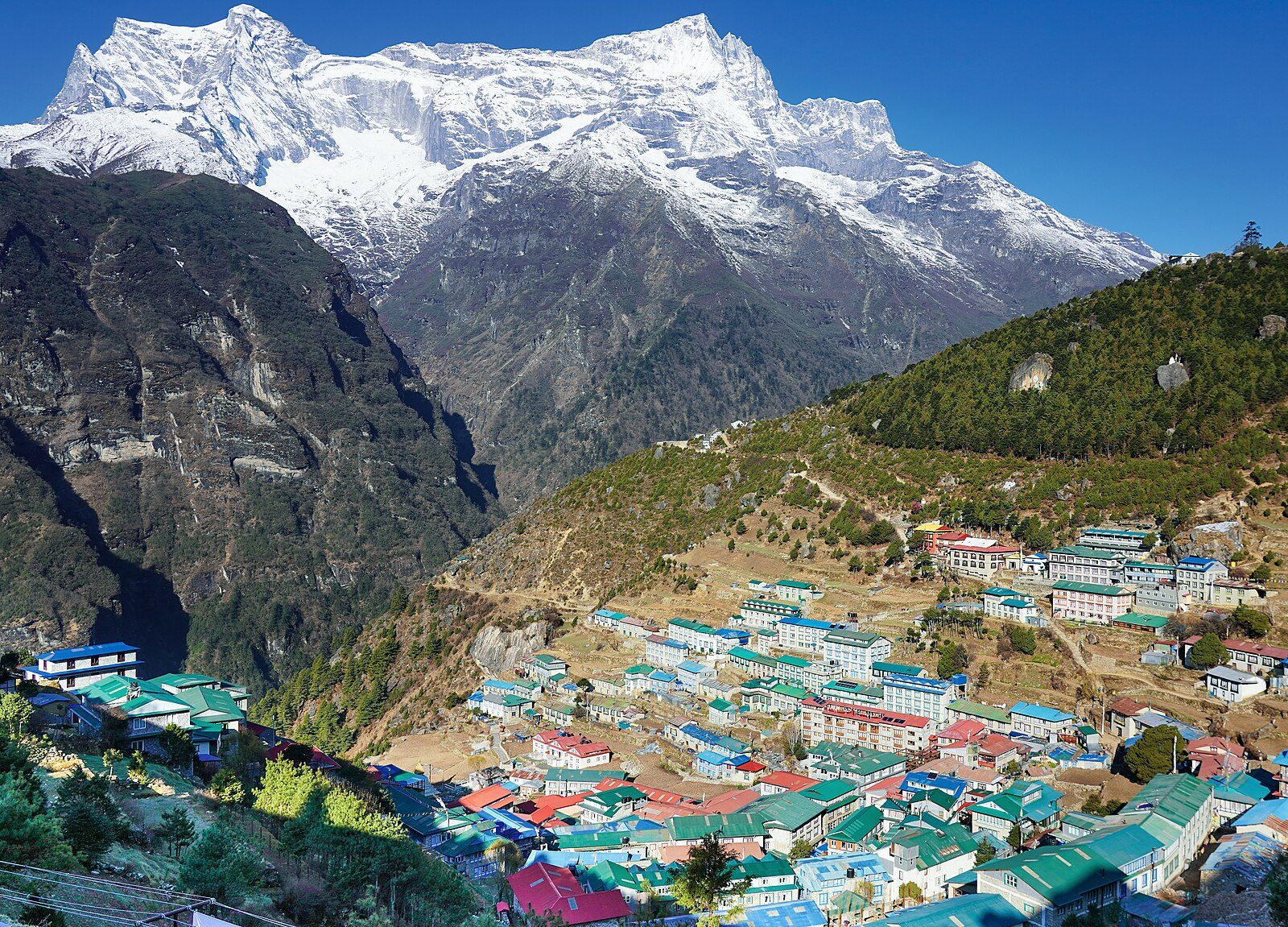
- Namche Bazaar (3,440m) on the Everest route
- Dingboche (4,410m) higher on the same trail
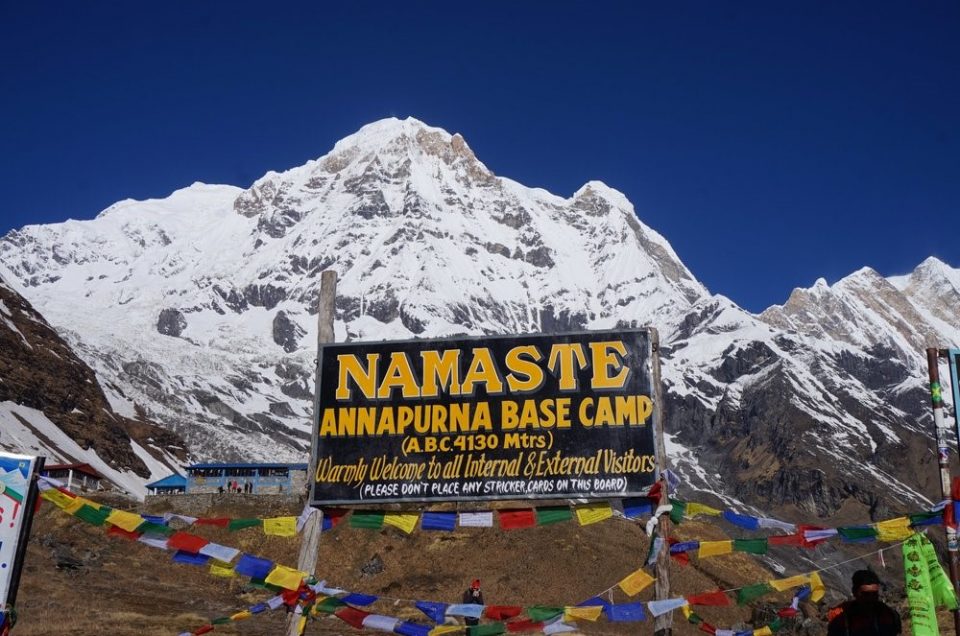
- Manang (3,540m) on the Annapurna Circuit
- Samagaon (3,530m) on the Manaslu Circuit
Use them actively. A short walk to a higher point and back down is far better than lying in bed.
Diamox (Acetazolamide)
Widely used, and worth understanding properly.
- It speeds acclimatisation rather than masking symptoms
- Typically taken starting a day before reaching significant altitude
- Common side effects include tingling fingers and increased urination
- It is not a substitute for a sensible ascent profile
- Discuss it with your doctor before travelling, particularly regarding sulfa allergies
Insurance and Evacuation
- Confirm your policy covers trekking to your maximum planned altitude
- Helicopter evacuation cover is essential above 4,000m
- Carry your policy number and the emergency line with you on the trail
- Many standard travel policies exclude altitudes above 4,000m entirely
Trust Your Guide
An experienced guide watches the whole group for early symptoms, often noticing changes before the trekker does. If your guide says stop or descend, that judgement is based on having seen it many times before.
Ready to Trek Safely?
Altitude sickness is manageable with a sensible itinerary and honest communication. The trekkers who get into trouble are almost always the ones who pushed on through symptoms.
At Global Rising Tours & Travel, we build proper acclimatisation into every high-altitude itinerary and our guides carry pulse oximeters as standard. Explore our trekking packages or contact us to discuss a safe schedule.