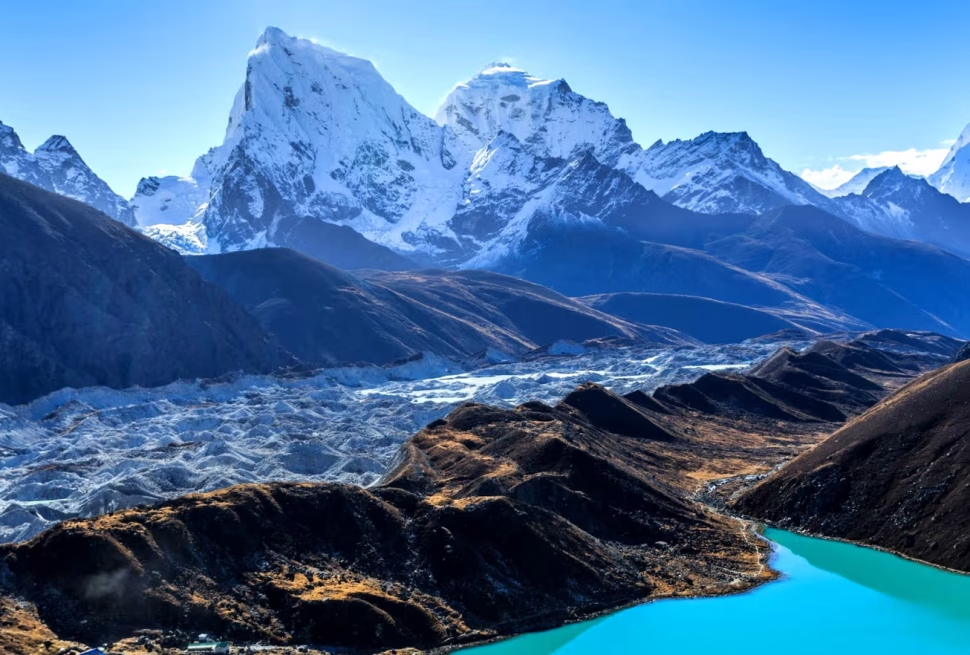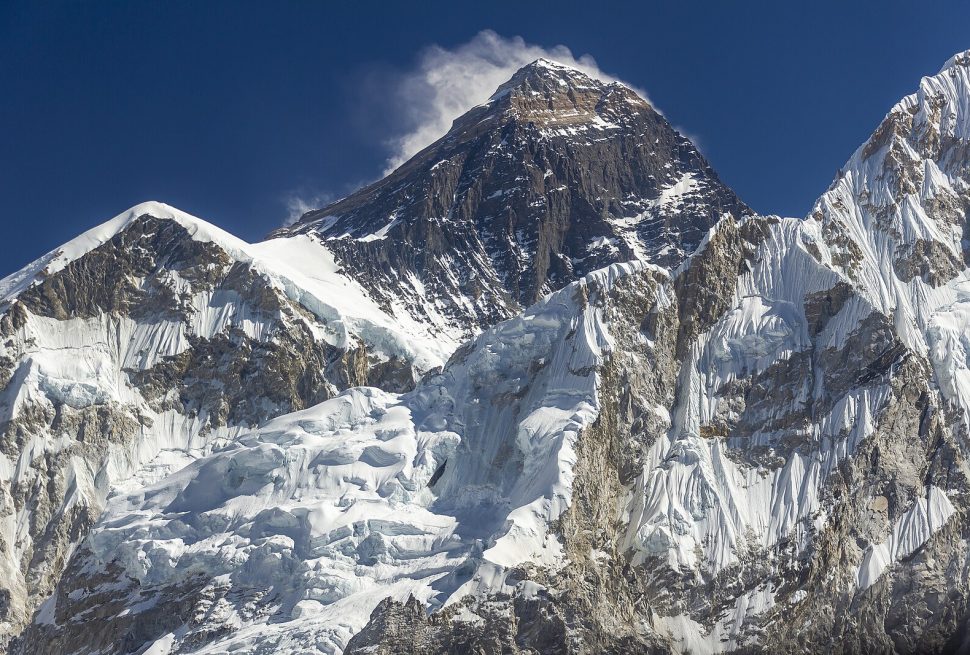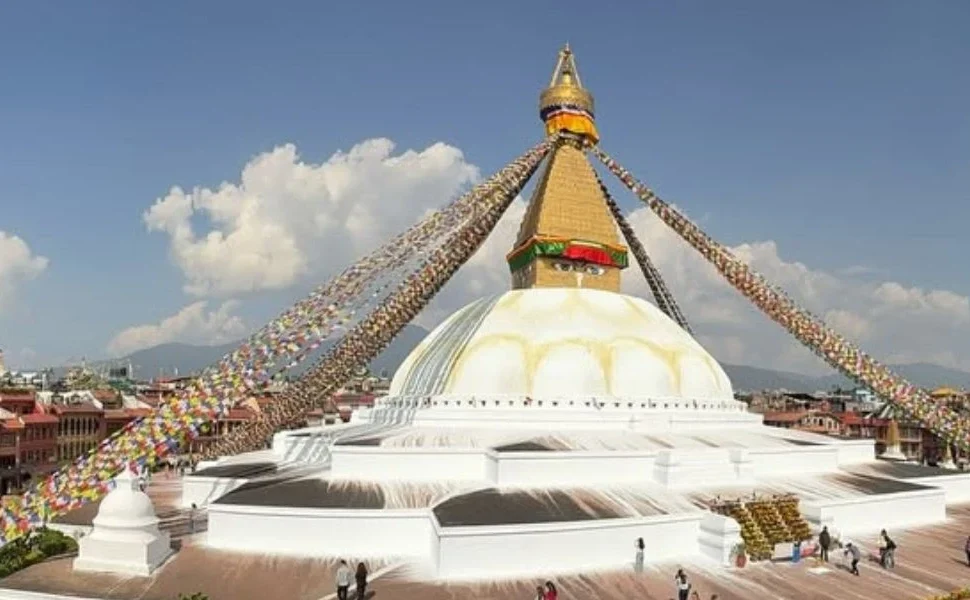
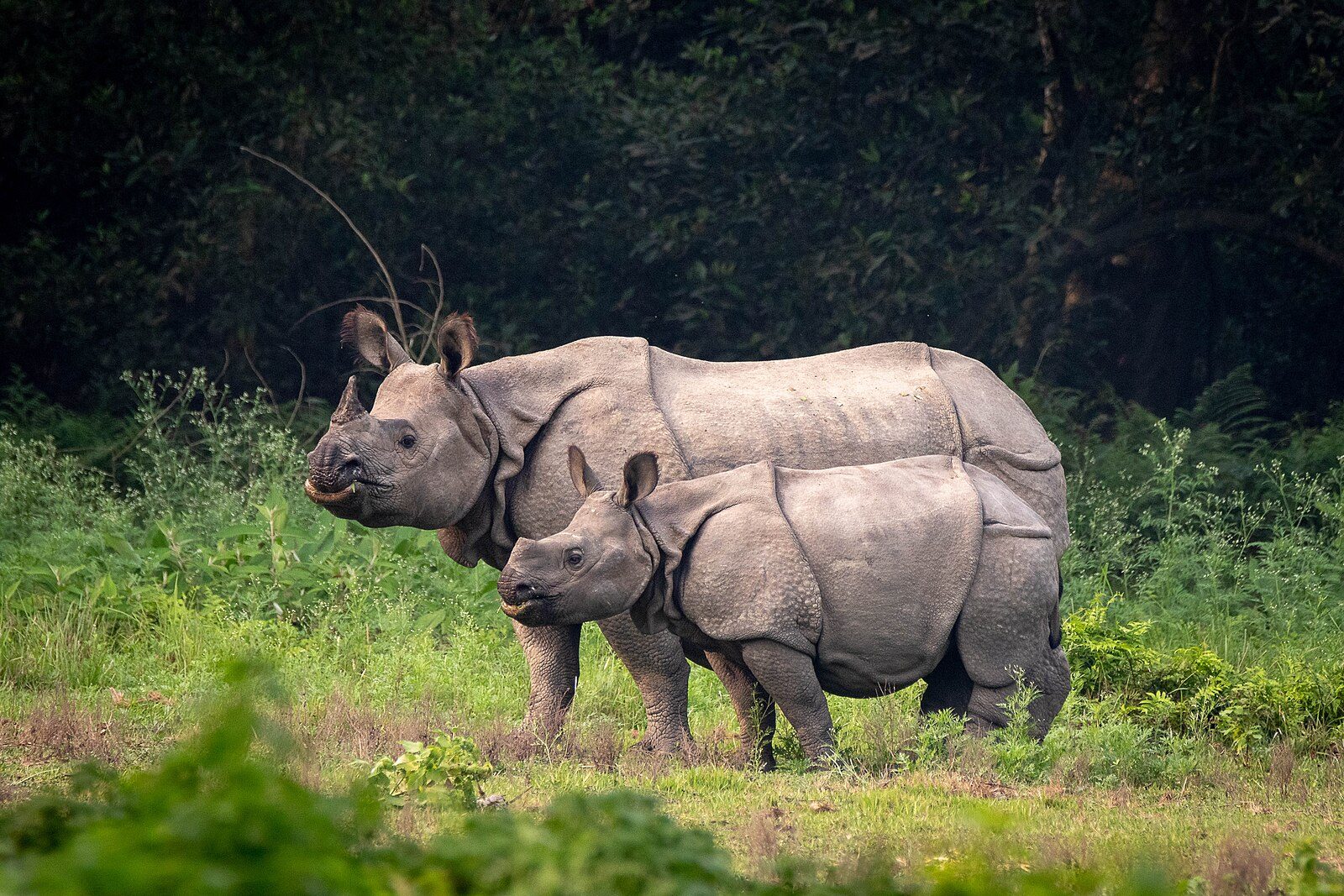
Most people come to Nepal for the Himalaya and are genuinely surprised to find world-class jungle a few hours south. Chitwan National Park sits in the Terai lowlands, and it protects one of the healthiest populations of greater one-horned rhinoceros anywhere.
Established in 1973 as Nepal’s first national park and later inscribed as a UNESCO World Heritage Site, Chitwan makes an excellent counterpoint to a trekking itinerary.
What You Can Realistically See
Be honest with your expectations. Rhinos are common, tigers are not.
- Greater one-horned rhinoceros — frequently seen, the park’s signature animal
- Bengal tiger — present in good numbers but rarely sighted
- Asian elephant, sloth bear, leopard and gaur
- Gharial and mugger crocodiles along the Rapti river
- Over 500 recorded bird species
A three-day stay gives a strong chance of rhinos and an excellent range of birdlife. Tiger sightings remain a matter of luck.
Safari Options
- Jeep safari — covers the most ground and reaches the park interior
- Canoe trip on the Rapti — the best way to see crocodiles and waterbirds
- Guided jungle walk — quiet and immersive, with an experienced naturalist
- Birdwatching excursions, particularly good in winter
- Tharu cultural programmes in the villages around the park
A note on elephant-back safaris: these have been widely phased out on welfare grounds, and we do not arrange them. Jeep and walking safaris are better for the animals and, in our experience, better for wildlife viewing too.
Best Time to Visit
- October to March — the prime window, dry with comfortable temperatures
- February to April — grass is cut and burned, dramatically improving visibility
- April to June — very hot, but animals concentrate around water
- July to September — monsoon flooding closes many park activities
If wildlife viewing is your priority, aim for late winter and early spring when the tall elephant grass has been cut.
Getting There
- Roughly 160km from Kathmandu, about five to six hours by road
- Tourist buses run daily to Sauraha, the main gateway village
- Short domestic flights to Bharatpur cut the journey to 25 minutes
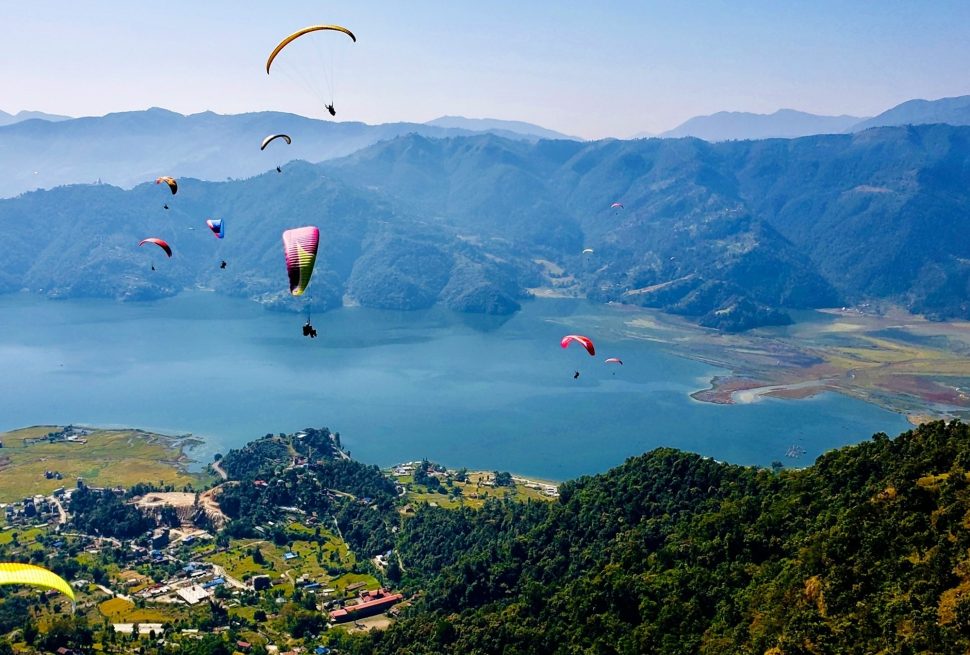
- Easily combined with a Pokhara itinerary
Costs
- Park entry permits are modest, at a few thousand rupees per day
- Two-night, three-day packages typically USD 150 to USD 400 per person
- Accommodation spans simple lodges to genuine luxury
- Guides and jeeps are usually included in package rates
How Long to Stay
- Two nights — the practical minimum for a jeep safari and a canoe trip
- Three nights — comfortable, allowing a jungle walk and a village visit
- One night — feasible but rushed, and you will spend most of it travelling
Practical Tips
- Wear neutral colours: greens, browns and khaki
- Long sleeves and trousers help against insects
- Bring binoculars, as much of the good viewing is at distance
- Early morning and late afternoon are by far the most productive
- Always follow your naturalist’s instructions on foot — rhinos are genuinely dangerous
Ready to Add Jungle to Your Nepal Trip?
Chitwan gives your itinerary a completely different texture — warm, green and full of large animals, a few hours from the mountains.
At Global Rising Tours & Travel, we arrange Chitwan safari packages that slot neatly alongside Kathmandu and Pokhara. Browse our tour packages or contact us to build a combined itinerary.